Personalized Medical Care & Dedicated International Patient Concierge

Prostate Care
Prostate Cancer Screening / Early Diagnosis
Prostate cancer screening is a structured combination of blood testing, physical examination, and imaging used to detect prostate cancer before symptoms appear, so that any cancer found can be evaluated for stage and severity before a treatment plan is designed.
Schedule a ConsultationProstate Cancer Screening in Seoul
Medically reviewed by Donghyun Lee, MD, Board-Certified Urologist (Korea Ministry of Health and Welfare) Straight Urology Clinic, Seoul, South Korea
Prostate cancer screening is a structured evaluation used to detect prostate cancer at an early stage, since the disease is often asymptomatic before it has progressed. Straight Urology Clinic in Seoul emphasizes early diagnosis, accurate staging, and individualized treatment planning based on the cancer's stage, size, and extent of tissue involvement, rather than recommending immediate surgery to every patient. The goal is to identify prostate cancer early enough that treatment decisions can weigh both cancer control and long-term quality of life.
What Is Prostate Cancer Screening?
Prostate cancer screening is a structured combination of blood testing, physical examination, and imaging used to detect prostate cancer before symptoms appear, so that any cancer found can be evaluated for stage and severity before a treatment plan is designed.
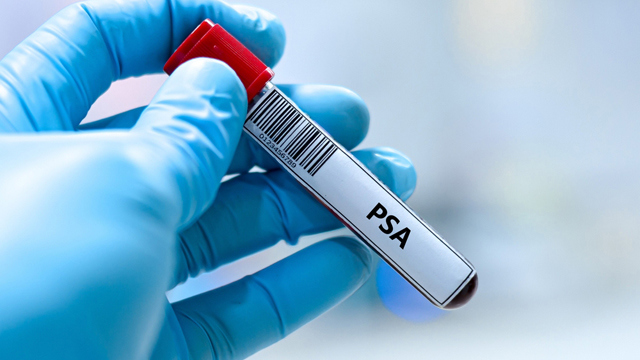
Screening commonly begins with a prostate-specific antigen (PSA) blood test and a digital rectal examination (DRE), used together to look for signs that warrant further investigation.
When results suggest a closer look is needed, transrectal ultrasound and MRI are used to examine the prostate in more detail.
A prostate biopsy, including MRI fusion biopsy when indicated, is used to confirm a suspected diagnosis by directly sampling prostate tissue.
Additional imaging such as a CT scan or bone scan may be arranged through referral if assessing for possible spread of the cancer is needed.
Straight Urology Clinic's stated approach is that not every diagnosed prostate cancer requires immediate surgery; the treatment plan is designed around the cancer's stage, size, and extent of tissue involvement instead.
Who Performs Prostate Cancer Screening at Straight Urology Clinic

Dr. Donghyun Lee, MD
Board-certified Urologist
Donghyun Lee, MD is the Chief Director and sole treating physician at Straight Urology Clinic, and he is a board-certified urologist certified by Korea's Ministry of Health and Welfare. Urologic oncology is listed among his core specializations, alongside prostate disease and surgery more broadly, and he has performed more than 800 prostate and bladder-neck procedures as part of a career total exceeding 1,500 urological procedures and surgeries. He completed his urology residency at Korea University Guro Hospital from 2018 to 2022 and later served as a military urologist and Chief of the Department of Urology at the Armed Forces Capital Hospital from 2022 to 2025, during which he collaborated clinically with the Department of Urology at Seoul National University Hospital and Seoul St. Mary's Hospital. Dr. Lee is a full member of both the American Urological Association (AUA) and the European Association of Urology (EAU), and he is also a regular member of the Korean Urological Oncology Society, a membership directly relevant to prostate cancer diagnosis and management. He presented clinical work at the 2018 EAU Annual Congress in Barcelona, Spain. Dr. Lee has described his approach to patients directly: "I believe the first step in care is listening. I take time to understand each patient before recommending treatment, and I explain every option clearly." His full training background is available on his physician profile.
Prostate Cancer Screening & Diagnostic Options Available
Straight Urology Clinic builds each patient's evaluation from a set of tests, rather than performing the same battery on every man regardless of risk or findings.
Test | Purpose | When It Is Typically Used |
|---|---|---|
PSA blood test | Measures prostate-specific antigen as an initial screening marker | Baseline screening starting point |
Digital rectal examination (DRE) | Physical assessment of the prostate for abnormalities | Performed alongside PSA testing |
Transrectal ultrasound | Images the prostate in more detail | When initial results warrant closer evaluation |
MRI | Provides detailed imaging of the prostate | Used to guide further evaluation and biopsy planning |
Prostate biopsy (including MRI fusion biopsy) | Confirms a suspected diagnosis by sampling prostate tissue | When imaging or blood findings suggest a possible cancer |
CT scan or bone scan (by referral) | Assesses for possible spread beyond the prostate | When staging for possible metastasis is needed |
Because not every diagnosed prostate cancer requires immediate surgery, Dr. Lee designs the treatment plan according to the cancer's stage, size, and extent of tissue involvement once diagnostic testing is complete, considering function-preserving strategies and long-term follow-up alongside cancer control.
Who Is a Good Candidate for Prostate Cancer Screening?

Men with elevated PSA levels on a previous test
Men with a family history of prostate cancer
Men experiencing urinary symptoms that warrant evaluation
Men with blood in the urine or semen
Men aged 50 years or older
High-risk individuals who are advised to begin regular screening from age 45
Men seeking early detection or a routine screening evaluation after age 50
Men who have never had a baseline PSA test and want to establish one before symptoms could potentially develop
U.S. patients considering screening or early diagnosis in Seoul commonly want to confirm several things before booking travel: whether Dr. Lee personally conducts the consultation and reviews imaging and biopsy results, how test results and reports will be documented in English, and how continuity of care will work if a U.S. physician needs to coordinate any follow-up. These are reasonable questions to raise directly with the clinic in advance of a visit.
What to Expect: Procedure, Recovery, and Results Timeline
The screening and diagnostic process typically begins with PSA testing and a digital rectal examination. If these results suggest further evaluation is warranted, Dr. Lee adds transrectal ultrasound or MRI to examine the prostate more closely. When imaging or blood findings raise concern, a prostate biopsy — including MRI fusion biopsy when indicated — is used to confirm the diagnosis. Additional imaging, such as a CT scan or bone scan, may be arranged by referral if assessing for spread of the disease is necessary. After all results are reviewed, Dr. Lee designs an individualized treatment plan according to the cancer's stage and the patient's overall condition, rather than proceeding directly to surgery in every case.
Stage | What Happens | Typical Timing |
|---|---|---|
Initial Screening | PSA testing and digital rectal examination | Completed during an outpatient visit |
Further Evaluation | Transrectal ultrasound or MRI added if indicated | Same visit or a scheduled follow-up |
Biopsy Confirmation | Prostate biopsy, including MRI fusion biopsy when indicated | Scheduled once imaging suggests the need |
Staging (if cancer confirmed) | Additional imaging, such as CT or bone scan, by referral if needed | Arranged after biopsy confirms diagnosis |
Treatment Planning | Individualized plan designed according to stage, size, and tissue involvement | After all diagnostic results are reviewed |
Long-Term Follow-Up | Ongoing monitoring as part of the care plan | Continues after diagnosis and treatment planning |
Straight Urology Clinic states that early diagnosis is the starting point for successful treatment planning, and that accurate diagnosis helps guide treatment decisions while considering both outcomes and quality of life. Once a diagnosis is confirmed, the treatment plan Dr. Lee proposes is designed around the specific stage, size, and extent of tissue involvement identified during the work-up, rather than a single default pathway applied to every patient. Aftercare for a confirmed diagnosis centers on long-term follow-up and ongoing management, rather than treatment ending once an initial plan is chosen. According to the U.S. Preventive Services Task Force, men aged 55 to 69 should make an individualized decision about PSA-based screening after discussing the benefits and harms with a physician, while men 70 and older are generally not advised to be screened routinely. The American Cancer Society similarly recommends that the screening conversation begin at age 50 for men at average risk, at age 45 for men at higher risk, and at age 40 for men at the highest risk, such as those with more than one first-degree relative diagnosed with prostate cancer at an early age — timing that is broadly consistent with the age-based candidacy Straight Urology Clinic describes for its own patients.
Safety, Precision, and Clinic Standards

Straight Urology Clinic is registered as a Medical Institution for Attracting Foreign Patients, certified by Korea's Ministry of Health and Welfare under the Medical Overseas Expansion and Foreign Patients Attraction Act. Dr. Donghyun Lee, MD is a board-certified urologist certified by that same Ministry of Health and Welfare. He is a full member of the American Urological Association, which co-publishes guidance on prostate cancer screening with the Society of Urologic Oncology (AUA/SUO Guideline: Early Detection of Prostate Cancer). Dr. Lee is also a full member of the European Association of Urology, which maintains its own detailed clinical guidelines on prostate cancer diagnosis, staging, and treatment (EAU Guidelines on Prostate Cancer). The clinic's age-based screening guidance is broadly consistent with the U.S. Preventive Services Task Force recommendation that men aged 55 to 69 make an individualized screening decision with their physician (USPSTF Prostate Cancer Screening Recommendation), and with the American Cancer Society's guidance to begin the screening discussion at age 50 for average-risk men and age 45 for higher-risk men (American Cancer Society Recommendations for Prostate Cancer Early Detection). The U.S. Centers for Disease Control and Prevention notes that screening carries both potential benefits and potential harms, including false-positive results and overdiagnosis, which is one reason screening decisions are individualized rather than automatic (CDC: Should I Get Screened for Prostate Cancer?). Straight Urology Clinic states that its diagnostic approach emphasizes precise staging and function-preserving treatment strategies rather than routine surgery for every diagnosis. Every treatment plan follows an individual consultation and clinical evaluation, and diagnostic results are reviewed directly with the patient before any decision is made.
The Bottom Line
Prostate cancer is often asymptomatic in its early stages, which is why age-based screening with PSA testing and clinical examination is used for early detection.
Straight Urology Clinic's stated approach is to confirm the diagnosis with appropriate imaging and biopsy, then plan treatment according to stage, size, and tissue involvement rather than defaulting to surgery.
Dr. Donghyun Lee, MD is a board-certified urologist, a full member of both the AUA and EAU, and a member of the Korean Urological Oncology Society.
Screening candidacy generally starts at age 50 for average-risk men and age 45 for higher-risk men, consistent with major U.S. screening guidance.
Long-term follow-up is part of ongoing care after a diagnosis is confirmed and a treatment plan is chosen.
Frequently Asked Questions
At what age should I start thinking about prostate cancer screening? Straight Urology Clinic identifies men aged 50 and older as general candidates for screening, with high-risk individuals — such as those with a family history of prostate cancer — advised to begin discussing screening from age 45. This is broadly consistent with American Cancer Society guidance on when to start the screening conversation with a physician.
Does an elevated PSA level always mean I have prostate cancer? Not necessarily. An elevated PSA is one signal that prompts further evaluation, such as a digital rectal examination, imaging, or biopsy, but it does not by itself confirm a cancer diagnosis. Dr. Lee reviews PSA results alongside other findings before recommending next steps.
What tests are involved in a prostate cancer screening evaluation? A typical evaluation includes a PSA blood test and a digital rectal examination, with transrectal ultrasound or MRI added if closer evaluation is warranted. If a suspicious finding is identified, a prostate biopsy — including MRI fusion biopsy when indicated — is used to confirm the diagnosis.
Will I need surgery if prostate cancer is found? Not necessarily. Straight Urology Clinic states that not all prostate cancers require surgery first, and the treatment plan is instead based on the cancer's stage, extent, and the patient's overall condition, considering both cancer control and quality of life.
Is a prostate biopsy painful? Diagnostic tests may cause temporary discomfort. Some biopsy procedures use local anesthesia or sedation, and mild postoperative discomfort, if any, is generally managed with medication.
What is the difference between a screening visit and a full diagnostic work-up? An initial screening visit generally covers a PSA test and a digital rectal examination. A full diagnostic work-up goes further, adding imaging such as transrectal ultrasound or MRI, and a biopsy if a suspicious finding needs to be confirmed. Straight Urology Clinic moves from screening into a fuller work-up only when the initial results indicate it is warranted, rather than performing every test on every patient regardless of findings.
How soon will I get my results, and will they be available in English? Screening blood work and imaging results are typically reviewed with the patient directly during or shortly after the visit, and biopsy pathology results are commonly available within one to two weeks. Language support is available at the clinic, and patients are encouraged to confirm documentation arrangements when booking.
What should I do if I have concerns after returning to the United States? Contact your treating team promptly if you develop new or worsening symptoms after returning home. Continued PSA monitoring should be arranged with a physician in the United States, and sharing your Seoul evaluation records can help support that ongoing follow-up.
Book a Consultation at Straight Urology Clinic
To schedule prostate cancer screening or an early-diagnosis evaluation with Donghyun Lee, MD in Seoul, contact Straight Urology Clinic through the clinic's online contact form. The clinic is located on the 5th floor of the Ahyeon Medical Building, 10 Sinchon-ro 37-gil, Bukahyeon-dong, Seodaemun-gu, Seoul, a short walk from Ahyeon Station, and it is open Monday through Friday from 9:00 a.m. to 7:00 p.m. and on weekends from 9:00 a.m. to 1:00 p.m., Korea Standard Time. International patients can request an online consultation before traveling to discuss PSA history, family risk factors, and what a Seoul-based screening visit involves. Bring any previous PSA results, biopsy reports, imaging studies, and a summary of your family history to your first visit so Dr. Lee can begin the evaluation without delay. This screening overview is part of the clinic's broader prostate care services in Seoul.
Disclaimer
This content is provided for general informational purposes only and is not medical advice. Treatment eligibility is determined only after an individual consultation and clinical evaluation by a qualified physician at Straight Urology Clinic. Treatment outcomes vary between patients.
Sources & Further Reading
Prostate Cancer: Screening — U.S. Preventive Services Task Force
American Cancer Society Recommendations for Prostate Cancer Early Detection — American Cancer Society
Should I Get Screened for Prostate Cancer? — U.S. Centers for Disease Control and Prevention
Early Detection of Prostate Cancer: AUA/SUO Guideline — American Urological Association
EAU Guidelines on Prostate Cancer — European Association of Urology
Other Services
Explore additional treatments offered by our specialists.

UroLift Prostatic Lift
UroLift Prostatic Lift is an FDA-cleared, minimally invasive procedure that uses small implants to retract and hold enlarged prostate tissue away from the urethra, improving urinary flow without removing prostate tissue.
Learn More
Shock Wave Lithotripsy (ESWL)
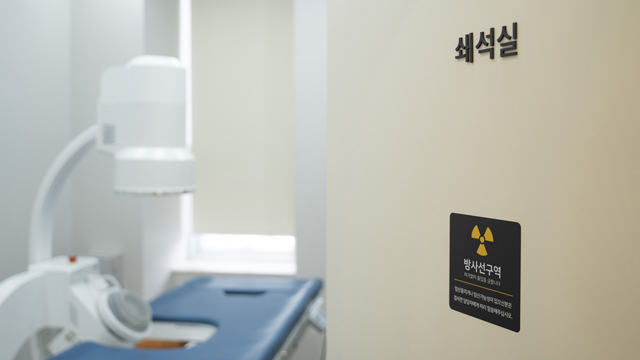
ESWL is a non-invasive treatment that uses focused shock waves delivered from outside the body to break a urinary stone into smaller fragments, allowing those fragments to pass through the urinary tract on their own.
Learn More
REZUM Water Vapor Therapy
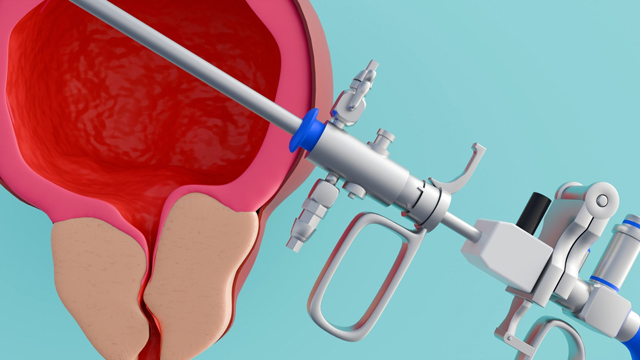
REZUM Water Vapor Therapy is an FDA-cleared, minimally invasive procedure that delivers controlled water vapor directly into obstructive prostate tissue to relieve urinary symptoms caused by benign prostatic hyperplasia.
Learn More