Personalized Medical Care & Dedicated International Patient Concierge

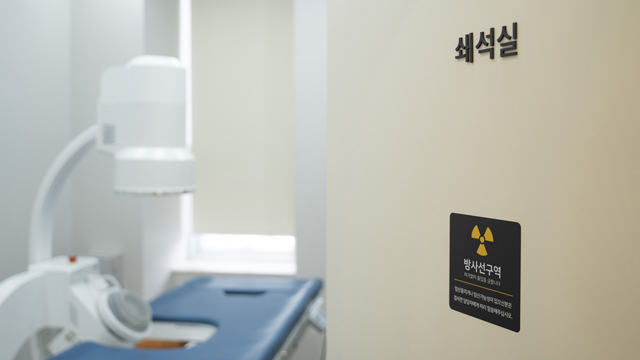
Urinary Stone Treatment
Shock Wave Lithotripsy (ESWL)
ESWL is a non-invasive treatment that uses focused shock waves delivered from outside the body to break a urinary stone into smaller fragments, allowing those fragments to pass through the urinary tract on their own.
Schedule a ConsultationShock Wave Lithotripsy (ESWL)
Medically reviewed by Donghyun Lee, MD, Board-Certified Urologist (Korea Ministry of Health and Welfare)
Extracorporeal Shock Wave Lithotripsy (ESWL) uses shock waves generated outside the body to fragment a urinary stone into smaller pieces that can then pass naturally through the urinary tract. It is one of the non-invasive treatment options available for suitable urinary stones, alongside endoscopic procedures used for stones that require direct removal. At Straight Urology Clinic in Seoul, ESWL suitability is determined individually based on the stone's size and location, rather than being offered as a one-size-fits-all solution to every patient with a stone.
Patients often ask about ESWL because it does not require an endoscope or an incision, which makes it an appealing first option for a suitable stone. At the same time, international patients want to understand exactly how the procedure works, what recovery involves, and whether it is likely to fully clear their stone in one session, since traveling to Seoul for treatment means planning around recovery time and flight schedules. Patients also commonly want reassurance about who is performing the evaluation, how experienced that physician is with stone treatment, and whether English-language communication is available throughout the process. This page explains what ESWL involves at Straight Urology Clinic, who tends to be a good candidate, and what to expect from consultation through recovery. For stones that are not suitable for ESWL, a comparison with endoscopic options is available on the broader Kidney Stone & Urinary Stone Treatment overview page.
What Is Shock Wave Lithotripsy (ESWL)?
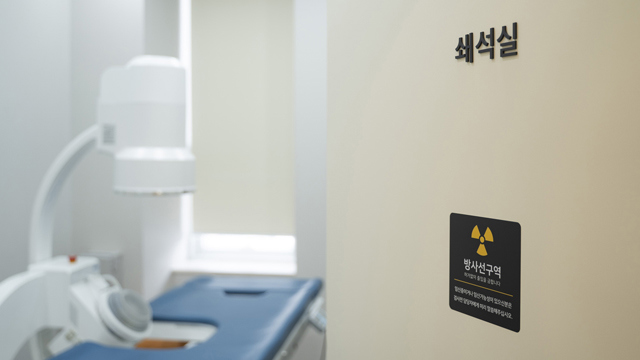
ESWL is a non-invasive treatment that uses focused shock waves delivered from outside the body to break a urinary stone into smaller fragments, allowing those fragments to pass through the urinary tract on their own. It does not require an incision or the insertion of an endoscope, which distinguishes it from ureteroscopy and other endoscopic stone-removal procedures described elsewhere on this site.
The stone is first identified and targeted using imaging.
Shock waves are delivered from outside the body, without an incision or an endoscope entering the urinary tract, and no instrument is inserted into the urinary tract at any point during the session itself.
The shock waves fragment the stone into smaller pieces.
The resulting fragments are then intended to pass naturally through the urinary tract over time.
ESWL suitability depends on factors such as the stone's size and location, and is confirmed through individual medical evaluation rather than assumed for every patient.
Who Performs Shock Wave Lithotripsy (ESWL) at Straight Urology Clinic
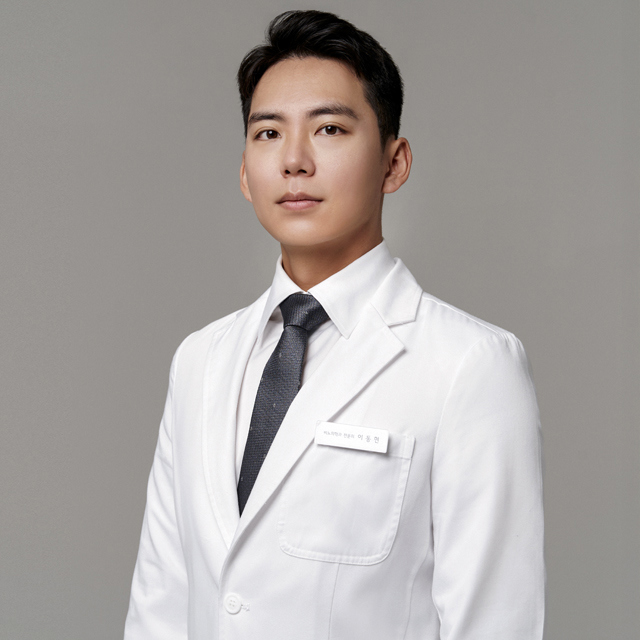
Dr. Donghyun Lee, MD
Board-certified Urologist
ESWL at Straight Urology Clinic is performed under the direct oversight of Dr. Donghyun Lee, MD, the clinic's Chief Director and sole treating urologist. Dr. Lee is a board-certified urologist certified by Korea's Ministry of Health and Welfare, and he holds full membership in both the American Urological Association (AUA) and the European Association of Urology (EAU). His procedure volume includes more than 500 urinary stone surgeries, part of an overall total exceeding 1,500 urological procedures and surgeries. Dr. Lee completed his residency in urology at Korea University Guro Hospital and later served as Chief of the Department of Urology at the Armed Forces Capital Hospital, where he also collaborated clinically with the urology departments of Seoul National University Hospital and Seoul St. Mary's Hospital. He graduated from Vanderbilt University before completing his medical degree at Korea University College of Medicine, and he presented at the 2018 European Association of Urology Annual Congress in Barcelona. Dr. Lee's approach centers on listening carefully before recommending treatment: "I believe the first step in care is listening. I take time to understand each patient before recommending treatment, and I explain every option clearly." Because he personally evaluates each patient's stone characteristics before recommending ESWL, patients are not routed to a single default treatment regardless of their specific case, and every consultation is conducted directly by the treating physician rather than a delegate.
Who Is a Good Candidate
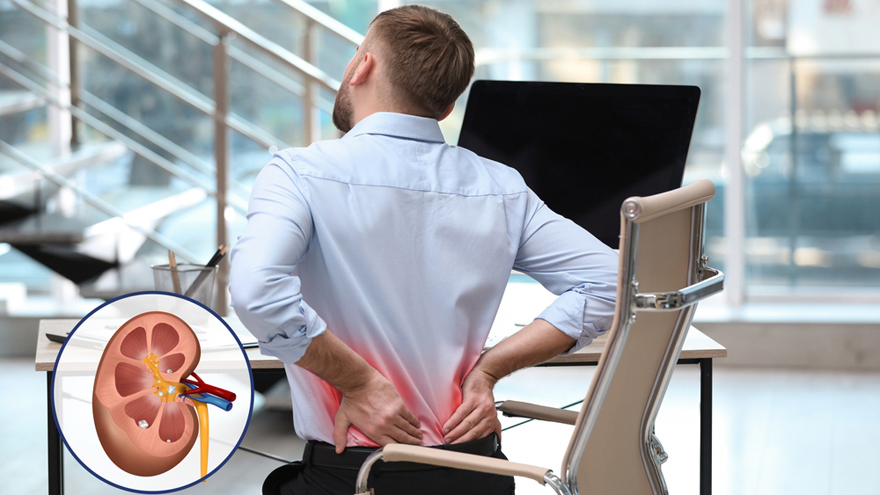
Patients with urinary stones considered suitable for ESWL based on factors such as stone size and location.
Patients who prefer to avoid an endoscopic procedure when their stone characteristics make ESWL a reasonable option.
Patients without an untreated urinary infection, bleeding problems, or pregnancy, since these may affect suitability.
Patients whose stone is not considered unsuitable for shock-wave treatment based on the treating doctor's evaluation.
Final suitability for ESWL always requires individual medical evaluation rather than self-assessment.
Patients who have not yet tried an endoscopic procedure and whose stone characteristics make ESWL a reasonable first step to attempt.
What to Expect: Procedure, Recovery, Results Timeline
Evaluation for ESWL generally includes a review of medical history and symptoms, imaging to confirm stone size and location, and an assessment of whether ESWL is the appropriate approach for that stone rather than an endoscopic alternative. During the procedure, the stone is identified and targeted, and shock waves are delivered from outside the body to fragment it into smaller pieces. Pain-control needs during ESWL vary by patient, and the specific anesthesia or analgesia protocol used should be confirmed with the clinic beforehand. Preparation may include a review of prior imaging, a medication assessment, and instructions regarding food and fluids depending on individual circumstances. ESWL is generally performed without prolonged hospitalization, though the exact schedule depends on the patient's condition and treatment plan. After treatment, patients are generally advised to follow prescribed medication and hydration instructions and to monitor for pain, fever, or urinary difficulties. Recovery is generally relatively short, but the time needed for stone fragments to actually pass varies according to stone size, location, and individual factors. Some stones may require more than one ESWL session to achieve adequate fragmentation, and this is generally determined based on how the stone responds after the first session. Follow-up imaging may be used afterward to check whether residual stones or fragments remain in the kidney or ureter.
For patients traveling from the United States or elsewhere, ESWL is generally performed without prolonged hospitalization, but the overall stay in Seoul still depends on the individual treatment plan and how quickly fragments are expected to pass. Fitness to fly should be confirmed with the treating doctor, particularly if stone fragments remain in the urinary tract or if any complications have occurred after treatment. Patients are also generally advised to keep an emergency contact for the clinic and to seek local medical care promptly if they experience significant pain, fever, or difficulty urinating after returning home. Sharing operative records with a home-country physician can also help support any follow-up care needed after leaving Korea.
Stage | What generally happens |
|---|---|
Consultation & imaging | Medical history, symptom review, and imaging confirm stone size, location, and ESWL suitability |
ESWL session | Shock waves delivered from outside the body fragment the stone; may require more than one session |
Early recovery | Generally short; hydration and medication guidance provided |
Fragment passage | Varies by stone size and individual factors; monitored for pain, fever, or urinary symptoms |
Follow-up | Imaging may confirm whether fragments remain or additional treatment is needed |
Combining with Other Treatments
Combination or staged treatment may sometimes be considered when clinically necessary, for example if a stone does not fully clear after an initial ESWL session and additional intervention is required. In such cases, an endoscopic procedure such as ureteroscopy may later be considered as a follow-on step to remove any remaining fragments directly. The specific combinations that might apply to an individual case should be confirmed directly with the treating doctor, since this depends on how the stone responds to initial treatment and what follow-up imaging shows.
Safety, Precision, Clinic Standards
ESWL suitability is confirmed through individual evaluation of the stone's size and location rather than applied to every patient by default. Possible effects of ESWL can include temporary pain, blood in the urine, bruising, or urinary discomfort, and rare complications can occur and should be discussed with the treating doctor. Straight Urology Clinic is a registered medical institution for attracting foreign patients, certified by Korea's Ministry of Health and Welfare in compliance with the Medical Overseas Expansion and Foreign Patients Attraction Act. Dr. Lee's board certification is issued by the same Ministry, and he is a full member of both the AUA and the EAU. The American Urological Association's Surgical Management of Kidney and Ureteral Stones guideline discusses shock wave lithotripsy as one of several surgical treatment modalities selected according to patient and stone factors (American Urological Association, 2025/2026). The European Association of Urology's Urolithiasis guideline similarly addresses shock wave lithotripsy alongside endoscopic options as part of evidence-based stone management (European Association of Urology, 2024/2025). A published umbrella review comparing ESWL with ureteroscopic approaches has reported differences in stone-free rates between these treatment modalities, which is one reason stone characteristics are assessed carefully before ESWL is recommended rather than used as a default first choice (umbrella review, PubMed). The National Institute of Diabetes and Digestive and Kidney Diseases similarly describes shock wave lithotripsy as a standard treatment approach used to fragment kidney stones so the pieces can pass through the urinary tract (NIDDK). Risks and expected outcomes should always be discussed individually with the treating doctor before proceeding, and no specific outcome can be guaranteed in advance. Patients are encouraged to ask directly about how their own stone's characteristics compare with the criteria described in these guidelines before agreeing to a treatment plan.
The Bottom Line
ESWL is a non-invasive treatment that uses shock waves to fragment urinary stones so the pieces can pass naturally.
Suitability depends on the stone's size, location, and the patient's overall condition.
Some stones may require more than one ESWL session to achieve adequate fragmentation.
Dr. Donghyun Lee, MD evaluates each case individually before recommending ESWL over other treatment options.
Follow-up is used to confirm whether the stone has cleared or whether additional treatment is needed.
Frequently Asked Questions
Am I a good candidate for ESWL? Candidacy for ESWL depends mainly on the stone's size and location, along with your overall health and whether any infection or bleeding condition is present. This is confirmed through consultation and imaging rather than being assumed in advance, and pregnancy is generally considered a reason to avoid ESWL until an evaluation determines otherwise.
Is ESWL painful? ESWL can cause discomfort or pain while the shock waves are delivered, and pain-control needs vary between patients. The specific approach used for pain control should be confirmed with the clinic before treatment, since this depends on the individual treatment plan.
How many ESWL sessions will I need? The number of sessions needed depends on the stone's size, location, and how it responds to treatment. Some stones clear after a single session, while others require additional sessions, and this is generally reassessed through follow-up imaging.
How is ESWL different from endoscopic stone removal? ESWL uses shock waves from outside the body to break the stone into fragments, while endoscopic procedures such as ureteroscopy remove or fragment stones directly through the urinary tract using a scope. The choice between the two depends on stone size, location, and other clinical factors, and is explained in more detail on the clinic's Kidney Stone & Urinary Stone Treatment overview page.
What are the side effects of ESWL? Possible effects can include temporary pain, blood in the urine, bruising, or urinary discomfort as fragments pass. Rare complications can occur and should be discussed with the treating doctor beforehand so that warning signs are understood in advance.
Will I need a stent after ESWL? Whether a stent is needed depends on the individual case and how the stone responds to treatment; this should be confirmed with the treating doctor. Stents are more commonly associated with endoscopic procedures, but individual circumstances vary.
How soon can I fly home after ESWL? Fitness to fly should be confirmed with the treating doctor, particularly if stone fragments remain or if any complications have occurred. Patients are generally advised to allow some additional recovery time before a long-haul flight.
Is online consultation available before deciding on ESWL? Yes, online consultation is available, allowing patients to discuss their case before deciding whether to travel for treatment. This can help clarify whether ESWL is likely to be relevant before committing to an in-person visit.
Book a Consultation at Straight Urology Clinic
If you have a urinary stone and want to know whether shock wave lithotripsy is a suitable option, Dr. Donghyun Lee, MD at Straight Urology Clinic in Seoul can evaluate your stone's size and location and discuss whether ESWL or another treatment path is appropriate. Because Dr. Lee is the sole treating urologist at the clinic, you can expect the same physician to be involved in your evaluation, your ESWL treatment if appropriate, and your follow-up care. Learn more about Dr. Lee's background and experience or contact the clinic to arrange a consultation about ESWL in Seoul.
Disclaimer
This content is provided for general informational purposes only and is not medical advice. Treatment eligibility is determined only after an individual consultation and clinical evaluation by a qualified physician at Straight Urology Clinic. Treatment outcomes vary between patients.
Sources & Further Reading
American Urological Association. "Surgical Management of Kidney and Ureteral Stones" Guideline. https://www.auanet.org/guidelines-and-quality/guidelines/surgical-management-of-kidney-and-ureteral-stones
European Association of Urology. "EAU Guidelines on Urolithiasis." Uroweb. https://uroweb.org/guidelines/urolithiasis
National Institute of Diabetes and Digestive and Kidney Diseases (NIDDK). "Treatment for Kidney Stones." https://www.niddk.nih.gov/health-information/urologic-diseases/kidney-stones/treatment
"Urolithiasis management: An umbrella review on the efficacy and safety of extracorporeal shock wave lithotripsy (ESWL) versus the ureteroscopic approach." PubMed. https://pubmed.ncbi.nlm.nih.gov/39840617/
Other Services
Explore additional treatments offered by our specialists.
UroLift Prostatic Lift
UroLift Prostatic Lift is an FDA-cleared, minimally invasive procedure that uses small implants to retract and hold enlarged prostate tissue away from the urethra, improving urinary flow without removing prostate tissue.
Learn More
Shock Wave Lithotripsy (ESWL)
ESWL is a non-invasive treatment that uses focused shock waves delivered from outside the body to break a urinary stone into smaller fragments, allowing those fragments to pass through the urinary tract on their own.
Learn More
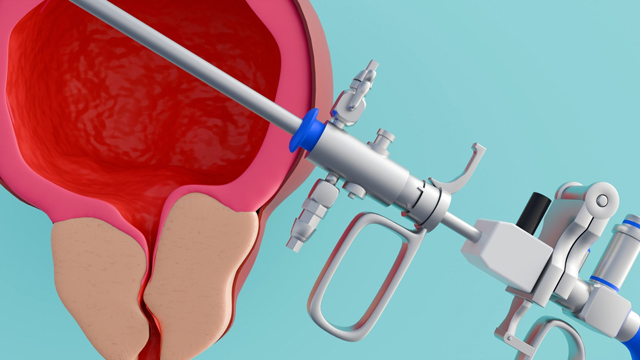
REZUM Water Vapor Therapy
REZUM Water Vapor Therapy is an FDA-cleared, minimally invasive procedure that delivers controlled water vapor directly into obstructive prostate tissue to relieve urinary symptoms caused by benign prostatic hyperplasia.
Learn More