Personalized Medical Care & Dedicated International Patient Concierge


Specialty Overview
Minimally Invasive Prostate Surgery
Straight Urology Clinic offers minimally invasive treatments for benign prostatic hyperplasia (BPH), including REZUM, Progator, iTind, and UroLift, designed to relieve urinary obstruction with less tissue disruption and recovery time than conventional surgery
Schedule a ConsultationMinimally Invasive Prostate Surgery (MIST)

Medically reviewed by Donghyun Lee, MD, Board-Certified Urologist (Korea Ministry of Health and Welfare) Straight Urology Clinic, Seoul, South Korea
Minimally invasive surgical therapy (MIST) is a group of prostate procedures for benign prostatic hyperplasia (BPH) that relieve urinary blockage while reducing tissue disruption compared with some traditional prostate surgeries. At Straight Urology Clinic in Seoul, the MIST category includes four distinct techniques — REZUM water vapor therapy, Progator prostate ligation, the iTind temporary implant, and UroLift — each with a different mechanism, anesthesia approach, and recovery pattern. The goal across all four is the same: improve urine flow and reduce BPH symptoms without the tissue removal required by conventional surgery. Patients from the United States researching treatment abroad commonly ask whether the specific device or technique is FDA-approved and how experienced the treating surgeon is, since these two factors most directly shape confidence in traveling overseas for a urological procedure.
What Is Minimally Invasive Prostate Surgery (MIST)?
Minimally invasive prostate surgery (MIST) refers to a set of BPH treatments that relieve urinary obstruction using techniques other than conventional tissue-removal surgery, generally with less anesthesia, less bleeding risk, and a shorter recovery than procedures such as transurethral resection of the prostate (TURP). Several mechanical factors define the category:
MIST techniques treat the prostate tissue or urethral space directly rather than removing large volumes of prostate tissue surgically.
Each MIST option uses a different mechanism: REZUM uses thermal water vapor, Progator uses a ligation-based approach, iTind uses a temporary expandable device, and UroLift uses permanent retraction implants.
At Straight Urology Clinic, all four MIST procedures are performed under local anesthesia and sedation.
Recovery and results timelines differ between techniques and depend on the individual's prostate size, anatomy, and overall urinary condition.
Patients typically remain candidates for other BPH treatments afterward, since MIST procedures are generally designed to preserve options for future care.
Who Performs Minimally Invasive Prostate Surgery at Straight Urology Clinic

Dr. Donghyun Lee, MD
Board-certified Urologist
All MIST procedures at Straight Urology Clinic are performed by Donghyun Lee, MD, the clinic's Chief Director and sole treating urologist. Dr. Lee is a board-certified urologist certified by Korea's Ministry of Health and Welfare. He is a full member of the American Urological Association (AUA). He is also a full member of the European Association of Urology (EAU). He completed his urology residency at Korea University Guro Hospital. He later served as Chief of the Department of Urology at the Armed Forces Capital Hospital. During that military service, his clinical work included collaboration with the urology departments at Seoul National University Hospital and Seoul St. Mary's Hospital. Across his career, Dr. Lee has performed more than 1,500 urological procedures and surgeries. More than 800 of these were prostate and bladder neck procedures. His stated approach to BPH care is to identify the specific cause of a patient's urinary symptoms first, then select the MIST technique — or a non-surgical alternative — that fits that patient's prostate anatomy and goals, rather than defaulting to a single method for every patient. Dr. Lee graduated from Vanderbilt University in 2012. He graduated from Korea University College of Medicine's Graduate School of Medicine in 2017. He also completed doctoral coursework in urology at Korea University College of Medicine. He holds additional regular or full membership in Korean urology societies, including the Korean Urological Association, the Korean Prostate Association, and the Korean Society for Voiding Dysfunction and Incontinence. Dr. Lee has described his consultation philosophy directly: "I believe the first step in care is listening. I take time to understand each patient before recommending treatment, and I explain every option clearly." Learn more about his background on the doctor profile page.
Minimally Invasive Prostate Surgery Options Available
Straight Urology Clinic offers four MIST options for BPH. The right choice depends on prostate size and shape, symptom severity, medications, and the patient's priorities around recovery and sexual function — a decision made jointly with Dr. Lee after evaluation.
Feature | REZUM (Water Vapor Therapy) | Progator (Prostate Ligation) | iTind (Temporary Implant) | UroLift (Prostatic Lift) |
|---|---|---|---|---|
Mechanism | Controlled water vapor delivered by needle thermally treats prostate tissue, which the body gradually absorbs | A prostate-focused ligation treatment aimed at relieving urinary symptoms tied to prostate conditions | A temporary nitinol device is placed in the prostatic urethra to reshape the obstructed channel, then removed | Small permanent implants retract enlarged prostate tissue away from the urethra without removing tissue |
Implant status | No permanent implant; treated tissue is absorbed over time | Determined by the specific technique used | Temporary — removed after 5–7 days | Permanent implants remain in place |
Typical anesthesia | Local anesthesia and sedation | Local anesthesia and sedation | Local anesthesia and sedation | Local anesthesia and sedation |
Who it tends to suit | Men with BPH symptoms not adequately controlled by medication, including larger prostates | Men with prostate-related urinary symptoms confirmed by evaluation to be suitable for this approach | Men with bothersome BPH symptoms who are suitable for a temporary, removable device | Men who want obstruction relief without tissue removal or ablation |
Prostate size range noted | FDA clearance covers prostate volumes of 30–150 cm³, including central-zone/median-lobe enlargement | Suitability assessed individually per the treating urologist | Suitability assessed by prostate size, anatomy, and symptoms | Suitability assessed individually; the UroLift System's original FDA authorization applies to men age 50 and above |
REZUM's tissue-ablation mechanism and its FDA-cleared prostate-volume range are described in the device's regulatory history and supporting studies (Urology Times, 2025). UroLift's retraction-implant mechanism and its original 2013 FDA de novo authorization for men age 50 and above are documented in the device's FDA de novo summary (FDA K130651). iTind's temporary nitinol device, removed after 5–7 days, is documented in the device's FDA de novo classification (FDA DEN190020). Progator's mechanism as recorded in the Foundation file is a prostate-focused ligation treatment; clinic-specific technical detail beyond this description should be confirmed directly with Dr. Lee during consultation.
Because these four options work differently, Straight Urology Clinic states that it evaluates each patient's prostate and urinary function before recommending a specific technique rather than applying one method to every patient. Alternatives to MIST — including BPH medication and conventional endoscopic prostate surgery — remain part of the discussion when a minimally invasive approach is not the best fit. You can review procedure-specific detail on the individual pages for REZUM water vapor therapy, Progator prostate ligation, iTind, and UroLift once those are published.
Who Is a Good Candidate for Minimally Invasive Prostate Surgery?
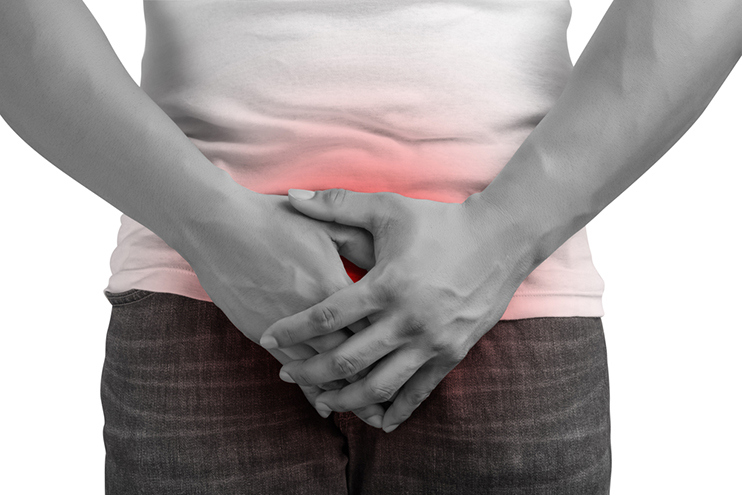
Men with bothersome urinary symptoms caused by benign prostate enlargement (BPH) who are medically suitable for a minimally invasive approach.
Men whose symptoms are not adequately controlled by BPH medication alone.
Men who are looking for a less invasive treatment option, a shorter recovery, and improvement in urinary symptoms.
For REZUM specifically, men aged 50 and above with a prostate volume within the FDA-cleared range of 30–150 cm³, including certain median-lobe or central-zone enlargement.
For iTind, men with bothersome BPH symptoms who are medically suitable for a temporary implant after urological evaluation.
For UroLift, men whose obstruction is suitable for treatment with permanent retraction implants rather than tissue removal.
Who May Need a Different Approach
Patients whose urinary symptoms are caused by a condition other than BPH.
Patients whose prostate size, anatomy, or overall medical history make a specific MIST technique inappropriate.
Patients taking medications or with medical conditions that require stabilization before any procedure.
Patients for whom the iTind device is contraindicated, such as those with urinary retention, nickel allergy, prostate or bladder cancer, urethral stricture, neurogenic bladder, or certain existing urethral implants.
Final suitability for any MIST option is confirmed only after individual evaluation by Dr. Lee, covering prostate size, anatomy, symptoms, medications, and medical history.
What to Expect: Procedure, Recovery, and Results Timeline
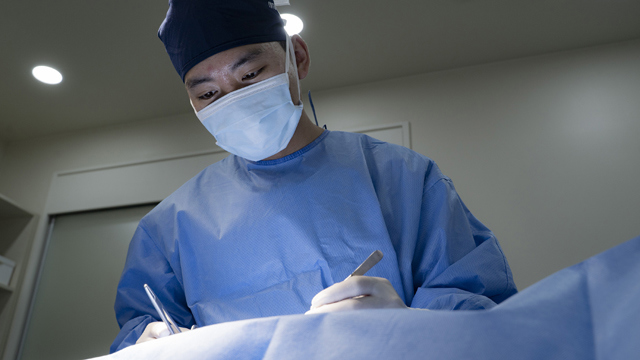
Consultation, testing, and diagnosis can be completed in a one-stop visit at Straight Urology Clinic. Preparation generally includes a medical history review, a medication review, and prostate or urinary evaluation before the treating urologist selects a technique. Patients are generally asked to disclose blood-thinning medications and to avoid alcohol before treatment unless the treating doctor instructs otherwise. After treatment, patients are generally advised to avoid strenuous exercise, heavy lifting, and other activities that could irritate the urinary tract until cleared by the doctor. Bringing prior prostate test results, imaging, and a current medication list to the first visit can help streamline the same-day evaluation process. The table below summarizes what is known from the Foundation record for each option; anything not yet confirmed should be discussed directly with Dr. Lee.
Stage | REZUM | Progator | iTind | UroLift |
|---|---|---|---|---|
Procedure time | Often around 10–20 minutes as an outpatient treatment | Varies by technique and prostate condition | Insertion typically takes less than about 10 minutes | Time depends on prostate condition and number of implants placed |
Anesthesia | Local anesthesia and sedation | Local anesthesia and sedation | Local anesthesia and sedation | Local anesthesia and sedation |
Device/tissue handling | Water vapor ablates targeted tissue, which the body absorbs over time | Ligation-based treatment of prostate tissue | Device stays in place 5–7 days, then is removed at a follow-up visit | Permanent implants remain in place; no tissue is removed |
Early recovery | Urinary symptoms can temporarily worsen during healing | Recovery depends on the technique and individual condition | Most patients resume normal activity relatively soon after device removal | Recovery is generally shorter than conventional prostate surgery |
Symptom improvement window | Gradual improvement over the following weeks to months | Varies by procedure and individual response | Continued improvement over roughly 6–12 weeks after removal | Improvement can begin soon after treatment, continuing over following weeks |
Final result assessment | Assessed over several months as treated tissue gradually shrinks | Depends on healing and individual response | Improvement can continue for several weeks after device removal | Depends on healing and individual response |
A few points apply across all four options. First, one follow-up visit is generally required after treatment, and for iTind specifically, a return visit at 5–7 days is needed to remove the temporary device. Second, aftercare instructions cover medication, hydration, and activity restrictions, and Straight Urology Clinic states that it provides continued management after treatment to help maintain urinary function. Third, international patients should confirm timing for return travel with Dr. Lee once urination is stable, since flying is generally planned only after recovery is confirmed adequate. Duration of stay in Korea and the exact number of follow-up visits needed depend on the technique selected and individual recovery, and should be confirmed directly with the clinic before travel is booked.
Safety, Precision, and Clinic Standards
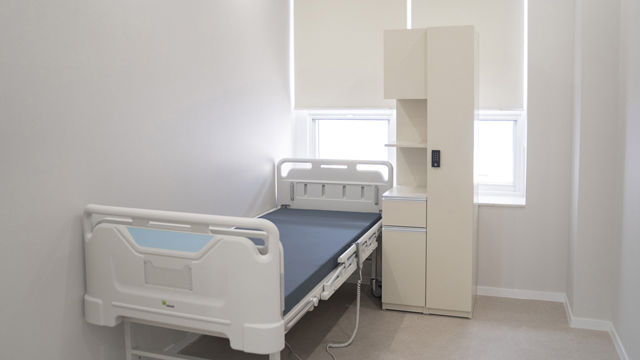
Dr. Lee is a board-certified urologist certified by Korea's Ministry of Health and Welfare. He is a full member of the American Urological Association (AUA). He is also a full member of the European Association of Urology (EAU). He presented at the EAU's 2018 Annual Congress in Barcelona, Spain. Straight Urology Clinic is registered as a Medical Institution for Attracting Foreign Patients under Korea's Medical Overseas Expansion and Foreign Patients Attraction Act. The AUA's clinical guideline on surgical management of BPH classifies MIST as one of three general categories of surgical treatment for BPH, alongside transurethral surgery and simple prostatectomy (AUA Guideline, Journal of Urology, 2023 Amendment). The same AUA guideline evaluates MIST outcomes in comparison with transurethral resection of the prostate (TURP) as the accepted reference standard. The REZUM system received its original FDA 510(k) clearance in 2019 for prostate volumes of 30–80 cm³ (Urology Times, 2025). That clearance was later expanded to cover prostate volumes up to 150 cm³, based on supporting clinical data. The UroLift System received FDA de novo classification as a Class II device in 2013 (FDA K130651). Its indication covers men age 50 and above with symptoms due to BPH-related urinary outflow obstruction. The iTind System received FDA de novo classification as a Class II device in 2019 (FDA DEN190020). Its indication also covers men age 50 and above. Straight Urology Clinic states that it prioritizes accurate diagnosis and provides only medically necessary treatment rather than recommending surgery by default. Possible risks across MIST techniques include bleeding, infection, temporary urinary symptoms, urinary retention, or changes in sexual or ejaculatory function. These risks vary by the specific technique chosen. Because each MIST device carries its own FDA classification, patients are encouraged to ask Dr. Lee which specific device and indication apply to their individual case. Independent clinical data reviewed by the FDA and published in urology journals help illustrate what these devices have shown in practice. In the UroLift System's pivotal L.I.F.T. trial, the International Prostate Symptom Score (IPSS) improved by 50.0% from baseline at 3 months (FDA K130651). The same trial recorded a 45.5% IPSS improvement from baseline at 12 months. Symptom relief began as early as two weeks after treatment in this trial. The trial reported no statistically significant change in erectile function scores at 12 months. The rate of a serious device- or procedure-related adverse event in this trial was approximately 1.4%. A systematic review and meta-analysis of 471 patients with larger prostates found a mean IPSS improvement of 11.0 points after REZUM treatment (Urology Times, 2025). Serious adverse events in this meta-analysis were reported in fewer than 0.1% of patients. Five-year follow-up data from REZUM's pivotal trial showed no patients experienced device- or procedure-related sexual dysfunction. No patients in that five-year follow-up experienced sustained erectile dysfunction. These published figures describe outcomes from clinical trial populations rather than guarantees for any individual patient. Dr. Lee reviews how they may or may not apply to a specific case during consultation.
The Bottom Line
Minimally invasive prostate surgery (MIST) covers four different techniques at Straight Urology Clinic — REZUM, Progator, iTind, and UroLift — each with its own mechanism and recovery pattern.
All four are performed by Dr. Donghyun Lee, a Ministry of Health and Welfare board-certified urologist and full member of both the AUA and EAU.
The right MIST option depends on individual prostate size, anatomy, and symptom severity, determined through evaluation rather than a one-size-fits-all approach.
Recovery is generally shorter than with conventional prostate surgery, though the exact timeline varies by technique and by patient.
Individual outcomes vary, and suitability for any specific MIST technique can only be confirmed after a consultation and clinical evaluation.
Frequently Asked Questions
What exactly does "MIST" mean for an enlarged prostate? MIST stands for minimally invasive surgical therapy, a category of BPH treatments — including REZUM, UroLift, and iTind — that relieve urinary obstruction without the extensive tissue removal used in conventional prostate surgery. The specific mechanism differs by technique, from thermal energy to mechanical retraction to a temporary expandable device.
How do I know which MIST option is right for me? The right option depends on your prostate size and shape, how bothersome your symptoms are, your medications, and your priorities around recovery time and sexual function preservation. Dr. Lee determines suitability after reviewing your urinary evaluation and medical history during consultation at Straight Urology Clinic.
Is a MIST procedure painful?
MIST procedures are performed under local anesthesia and sedation, so most patients tolerate them well. Some pressure, burning, or urinary irritation can occur during and after treatment, and pain control is adjusted to the individual patient.
How soon can I expect symptom improvement after a MIST procedure? Timing depends on the technique. Some patients notice initial improvement within weeks, while REZUM's full effect is typically assessed over several months as treated tissue gradually shrinks. Your urologist will explain what to expect for your specific procedure.
Will I need a follow-up visit before returning home? Yes, at least one follow-up visit is generally required, and iTind specifically requires a return visit 5–7 days after the initial procedure to remove the temporary device. International patients should plan travel dates around this follow-up schedule with the clinic.
Can a MIST procedure be repeated or followed by another treatment later if needed? Because MIST techniques are generally designed to preserve future treatment options, later treatment — including a different MIST technique or conventional surgery — can be considered if BPH symptoms return, based on individual evaluation by the treating urologist.
Does Straight Urology Clinic offer online consultations before I travel to Seoul? Yes, online consultation is available before you travel, which allows you to discuss candidacy and ask questions ahead of an in-person visit.
Book a Consultation at Straight Urology Clinic
If you are considering minimally invasive prostate surgery (MIST) for BPH symptoms, Dr. Donghyun Lee, MD offers individualized evaluation at Straight Urology Clinic in Seoul to determine which option — REZUM, Progator, iTind, or UroLift — best fits your prostate anatomy and goals. To schedule a consultation or ask questions before booking travel, contact Straight Urology Clinic.
Disclaimer
This content is provided for general informational purposes only and is not medical advice. Treatment eligibility is determined only after an individual consultation and clinical evaluation by a qualified physician at Straight Urology Clinic. Treatment outcomes vary between patients.
Sources & Further Reading
Related Services
Procedures available within our clinical departments.

UroLift Prostatic Lift
UroLift Prostatic Lift is an FDA-cleared, minimally invasive procedure that uses small implants to retract and hold enlarged prostate tissue away from the urethra, improving urinary flow without removing prostate tissue.
Learn More
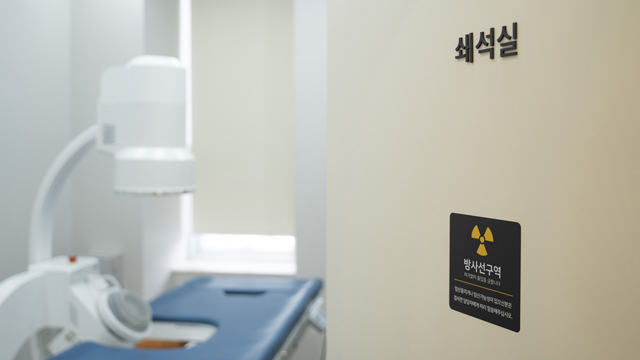
Shock Wave Lithotripsy (ESWL)
ESWL is a non-invasive treatment that uses focused shock waves delivered from outside the body to break a urinary stone into smaller fragments, allowing those fragments to pass through the urinary tract on their own.
Learn More
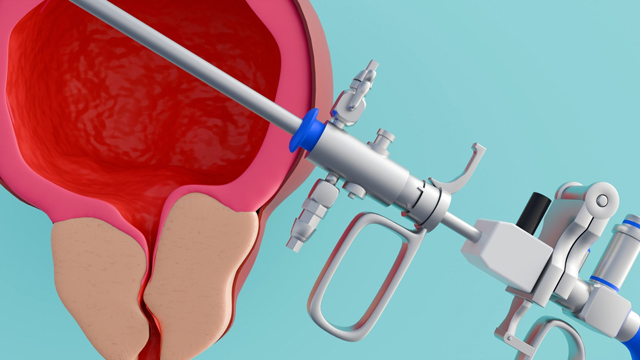
REZUM Water Vapor Therapy
REZUM Water Vapor Therapy is an FDA-cleared, minimally invasive procedure that delivers controlled water vapor directly into obstructive prostate tissue to relieve urinary symptoms caused by benign prostatic hyperplasia.
Learn More