Personalized Medical Care & Dedicated International Patient Concierge


Prostate Care
Prostatitis Treatment
Prostatitis treatment is the individualized diagnosis and management of prostate inflammation or infection, aimed at relieving pelvic pain, painful urination, and related urinary symptoms by first determining the specific type and cause of the condition.
Schedule a ConsultationProstatitis Treatment in Seoul

Medically reviewed by Donghyun Lee, MD, Board-Certified Urologist (Korea Ministry of Health and Welfare) Straight Urology Clinic, Seoul, South Korea
Prostatitis treatment is the medical evaluation and management of inflammation or infection of the prostate gland, a condition that can cause pelvic pain, painful urination, urinary frequency, and painful ejaculation. Because prostatitis has several distinct types with different underlying causes, Straight Urology Clinic in Seoul focuses on identifying the specific type present before recommending any treatment. This cause-based approach is intended to relieve symptoms and reduce the risk of recurrence, rather than treating urinary discomfort as a single, generic problem.
What Is Prostatitis Treatment?
Prostatitis treatment is the individualized diagnosis and management of prostate inflammation or infection, aimed at relieving pelvic pain, painful urination, and related urinary symptoms by first determining the specific type and cause of the condition.
Prostatitis is generally classified into acute bacterial prostatitis, chronic bacterial prostatitis, and chronic prostatitis/chronic pelvic pain syndrome, and each type is managed differently.
Straight Urology Clinic evaluates symptoms and medical history, followed by urological examinations and diagnostic testing, to determine the type and cause of prostatitis before creating a personalized treatment plan.
No anesthesia is generally required for the consultation and diagnostic evaluation itself; pain management, when needed, depends on the specific treatment approach the urologist recommends afterward.
Because prostatitis symptoms can overlap with other prostate and urinary conditions, part of the diagnostic process involves confirming that prostatitis, rather than another condition, is the actual cause.
Straight Urology Clinic states that its approach emphasizes specialist evaluation and individualized management based on each patient's symptoms and diagnostic findings, rather than a single standard protocol.
Who Performs Prostatitis Treatment at Straight Urology Clinic
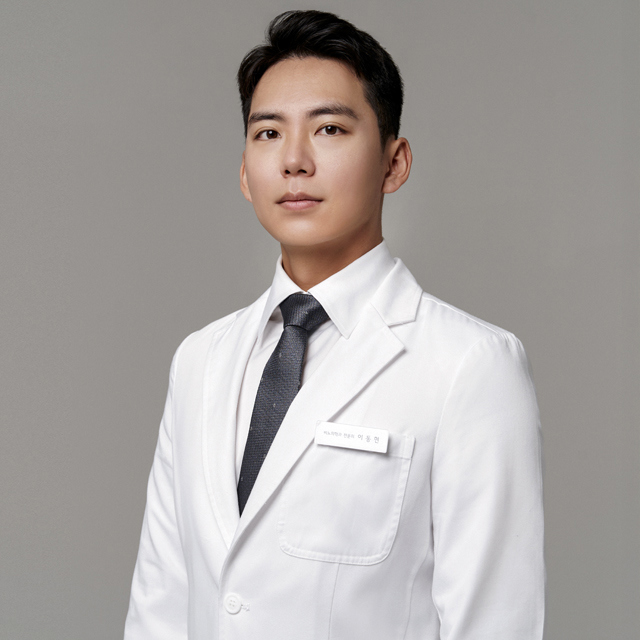
Dr. Donghyun Lee, MD
Board-certified Urologist
Donghyun Lee, MD is the Chief Director and sole treating physician at Straight Urology Clinic, and he is a board-certified urologist certified by Korea's Ministry of Health and Welfare. His residency in urology at Korea University Guro Hospital ran from 2018 to 2022, and prostate-related conditions, including prostatitis, fall within his stated core specializations alongside bladder neck disorders and voiding dysfunction. He later served as a military urologist and Chief of the Department of Urology at the Armed Forces Capital Hospital from 2022 to 2025, a role that included collaborative clinical work with the Department of Urology at Seoul National University Hospital and Seoul St. Mary's Hospital. Dr. Lee has personally performed more than 800 prostate and bladder-neck procedures as part of a broader career total of more than 1,500 urological procedures and surgeries, and prostatitis evaluation is part of this ongoing prostate-focused practice. He is a full member of both the American Urological Association (AUA) and the European Association of Urology (EAU), and he is also a regular member of the Korean Prostate Association and the Korean Society of Urological Infections, a membership directly relevant to inflammatory and infectious prostate conditions such as prostatitis. Dr. Lee has described his approach to consultations directly: "I believe the first step in care is listening. I take time to understand each patient before recommending treatment, and I explain every option clearly." More detail on his training and background is available on his physician profile.
Prostatitis Treatment Options Available
Depending on which type of prostatitis is diagnosed, Straight Urology Clinic tailors treatment among several approaches rather than applying a single method to every patient.
Acute bacterial prostatitis is treated with a course of antibiotics, selected based on the bacteria identified, and typically continued for several weeks to fully clear the infection.
Chronic bacterial prostatitis is also managed with antibiotics, though the course is generally longer, and a lower maintenance dose may be used afterward to help prevent the infection from returning.
Chronic prostatitis/chronic pelvic pain syndrome — described as the most common and least understood form of the condition — is managed with a combination of approaches aimed at reducing pain, discomfort, and inflammation, since no single treatment works consistently for every patient with this type.
Alternative and supportive management may include lifestyle modification, physical therapy, or other urological treatments, selected according to the diagnosed type and how a patient responds to initial treatment.
The most suitable combination of options is confirmed only after Dr. Lee reviews the diagnostic findings, since similar symptoms can arise from different underlying causes that each call for a different plan.
Who Is a Good Candidate for Prostatitis Treatment?

Men experiencing pelvic pain, pain during urination or ejaculation, urinary frequency, or urinary urgency
Men with perineal discomfort or recurrent urinary tract infections that have not been fully evaluated
Men with persistent pelvic discomfort that interferes with daily activities or quality of life
Men who have not yet had a specialist evaluation to confirm whether prostatitis, rather than another urinary or systemic condition, is the underlying cause of their symptoms
Men experiencing recurrent or worsening prostate-related inflammation who have not responded to prior treatment elsewhere
Patients with symptoms caused by other urinary or systemic conditions should first undergo a proper evaluation to confirm whether prostatitis is actually the cause before treatment begins. Acute bacterial prostatitis accompanied by fever, chills, or severe urinary symptoms requires urgent medical attention rather than a delayed elective evaluation, while non-urgent evaluations may be postponed until an active infection elsewhere in the body is controlled. Suitability for a specific treatment approach can only be confirmed after Dr. Lee reviews the individual's symptoms, medical history, and diagnostic test results in consultation. U.S. patients considering evaluation in Seoul commonly want to confirm, before booking travel, whether the consultation will be conducted in English, whether Dr. Lee personally performs the evaluation, and how test results and treatment records will be documented for their physician back home — all reasonable questions to raise directly with the clinic in advance.
What to Expect: Procedure, Recovery, and Results Timeline
The evaluation process begins with a review of symptoms and medical history. Dr. Lee then performs appropriate urological examinations and diagnostic testing to determine the type and cause of the prostatitis. Once results are available, he explains the findings and confirms the diagnosis before proposing a personalized treatment plan. The initial consultation and diagnostic evaluation are typically completed during a single outpatient visit, with additional follow-up visits scheduled based on how treatment progresses. Most prostatitis treatment does not require anesthesia, since it is generally managed with medication and conservative therapy rather than a surgical or invasive procedure. Acute bacterial prostatitis is commonly treated with a course of antibiotics that often lasts several weeks, while chronic prostatitis or chronic pelvic pain syndrome may require longer-term, ongoing symptom management rather than a single course of treatment.
Stage | What Happens | Typical Timing |
|---|---|---|
Consultation & Diagnosis | Symptom and history review, urological examination, and diagnostic testing to confirm the type of prostatitis | Usually completed in one outpatient visit |
Treatment Begins | Medication (such as antibiotics for bacterial types) or conservative management, depending on diagnosis | Started immediately after diagnosis is confirmed |
Early Symptom Response | Bacterial prostatitis often shows initial improvement after antibiotics begin | Within a few days |
Continued Treatment | Antibiotic course continues for bacterial types; symptom-focused management continues for chronic cases | Several weeks for bacterial prostatitis; longer for chronic cases |
Follow-Up Review | Reassessment of symptoms and treatment response with Dr. Lee | Scheduled according to treatment progress |
Longer-Term Outcome | Acute infections often resolve after completing treatment; chronic prostatitis may need ongoing management | Weeks to months, depending on type |
Recovery differs substantially according to the type of prostatitis diagnosed. Patients with acute bacterial prostatitis often begin to notice symptom improvement within a few days of starting appropriate antibiotics, although the full antibiotic course usually continues for several weeks to fully clear the infection. Chronic bacterial prostatitis generally requires a longer course of antibiotics, sometimes with a low dose continued for a longer period, to help prevent the infection from returning. Chronic prostatitis/chronic pelvic pain syndrome tends to improve more gradually over weeks to months and may require ongoing symptom control rather than a single definitive cure, since no single treatment works for every man with this form of the condition. International patients undergoing consultation and medical treatment alone can generally complete their evaluation within two to five days in Seoul, though longer stays may be needed if additional testing or procedures become necessary. Patients treated with medication alone can typically travel home once their symptoms are stable and Dr. Lee confirms they are fit to fly, while those who require hospitalization for a severe infection may need a longer recovery period before departure.
Before the first visit, patients should prepare a summary of their medical history, current medications, and their urinary or pelvic symptoms, since this information helps Dr. Lee narrow down the likely cause efficiently during the initial consultation. Once treatment is prescribed, the recommended aftercare is to follow the treatment plan exactly as directed, complete any prescribed antibiotic course in full even if symptoms improve early, attend scheduled follow-up visits, and report promptly to the clinic if symptoms worsen or fail to improve as expected.
Safety, Precision, and Clinic Standards

Straight Urology Clinic is registered as a Medical Institution for Attracting Foreign Patients, certified by Korea's Ministry of Health and Welfare under the Medical Overseas Expansion and Foreign Patients Attraction Act. Dr. Donghyun Lee, MD is a board-certified urologist certified by that same Ministry of Health and Welfare. He is a full member of the American Urological Association, which publishes clinical guidance on the evaluation and treatment of chronic pelvic pain conditions in men, including chronic prostatitis/chronic pelvic pain syndrome (AUA Guideline on Male Chronic Pelvic Pain). Dr. Lee is also a full member of the European Association of Urology, which maintains its own clinical guidelines covering chronic pelvic pain in men (EAU Guidelines on Chronic Pelvic Pain). The clinic's diagnostic approach — evaluating symptoms and history before selecting specific urological tests — is consistent with the classification framework described by the U.S. National Institute of Diabetes and Digestive and Kidney Diseases, which separates prostatitis into acute bacterial, chronic bacterial, chronic/chronic pelvic pain syndrome, and asymptomatic inflammatory categories (NIDDK). Straight Urology Clinic states that it emphasizes identifying the underlying cause of symptoms through comprehensive urologic evaluation before recommending treatment, rather than prescribing a single standard regimen to every patient. Every treatment plan follows an individual consultation and clinical evaluation before any medication or procedure is recommended. For international patients, this evaluation-first model addresses common concerns raised by U.S. patients considering care abroad, including the urologist's qualifications and experience, English-language communication throughout treatment, and the availability of medical records to share with a physician back home.
The Bottom Line
Prostatitis has several distinct types — acute bacterial, chronic bacterial, and chronic prostatitis/chronic pelvic pain syndrome — and each requires a different treatment approach.
Straight Urology Clinic's stated approach is to confirm the specific type and cause of prostatitis before recommending treatment, rather than treating symptoms generically.
Dr. Donghyun Lee, MD is a board-certified urologist and a full member of both the AUA and EAU, with a Korean Society of Urological Infections membership relevant to inflammatory prostate conditions.
Treatment is generally non-surgical, most often medication-based, with the specific plan depending on the diagnosis confirmed during evaluation.
Men with pelvic pain, painful urination, or recurrent prostate-related symptoms are encouraged to seek a specialist evaluation rather than manage symptoms without a confirmed diagnosis.
Frequently Asked Questions
Who should consider getting evaluated for prostatitis? Men experiencing pelvic pain, pain during urination or ejaculation, urinary frequency or urgency, or perineal discomfort should consider a urological evaluation. Straight Urology Clinic's stated approach is to identify the underlying cause before deciding on a specific treatment path.
How is prostatitis different from an enlarged prostate (BPH)? Prostatitis is primarily an inflammatory or infectious condition, while an enlarged prostate is a structural, non-cancerous growth that compresses the urethra. Prostatitis more often causes pelvic pain and painful urination, while BPH more commonly causes a weak stream and nighttime urination. Because the symptoms can overlap, a proper evaluation is needed to tell the two conditions apart.
Can prostatitis come back after it has been treated? Yes, particularly the chronic forms. Untreated or incompletely treated prostatitis may lead to recurrent infections, prostate abscesses, urinary retention, or persistent pelvic pain, which is one reason Dr. Lee recommends completing the full prescribed course of treatment and attending scheduled follow-up visits.
Is the diagnostic evaluation for prostatitis painful? The examination may cause temporary discomfort, particularly if the prostate is actively inflamed, but no anesthesia is generally required for consultation and diagnostic testing. Treatment-related discomfort, if any, depends on the therapy ultimately prescribed and generally improves as the condition responds.
How long does prostatitis treatment typically take? This depends on the type diagnosed. Acute bacterial prostatitis often requires several weeks of antibiotics, while chronic bacterial prostatitis may need a longer antibiotic course. Chronic prostatitis/chronic pelvic pain syndrome tends to improve more gradually and may require ongoing, longer-term management rather than a fixed treatment period.
How many days should I plan to stay in Seoul for prostatitis evaluation and treatment? Most patients undergoing consultation and medical treatment alone can complete their evaluation within two to five days. A longer stay may be needed if additional testing or procedures are required based on the diagnosis.
Will the doctor and clinic staff be able to communicate with me in English? Language support is available at Straight Urology Clinic, and online consultations can be arranged before traveling to Seoul. International patients are encouraged to confirm specific communication arrangements when booking their visit.
What should I do if my symptoms return after I go back to the United States? Contact your treating doctor promptly if symptoms worsen, fever develops, you are unable to urinate, or new symptoms appear. Remote follow-up may be possible depending on the clinic's policy, and sharing your Seoul treatment records with a physician at home can help support continuity of care.
Book a Consultation at Straight Urology Clinic
To schedule a prostatitis evaluation with Donghyun Lee, MD in Seoul, contact Straight Urology Clinic through the clinic's online contact form. The clinic is located on the 5th floor of the Ahyeon Medical Building, 10 Sinchon-ro 37-gil, Bukahyeon-dong, Seodaemun-gu, Seoul, a short walk from Ahyeon Station, and it is open Monday through Friday from 9:00 a.m. to 7:00 p.m. and on weekends from 9:00 a.m. to 1:00 p.m., Korea Standard Time. International patients can request an online consultation before traveling to discuss their symptoms and what to expect from a Seoul-based evaluation. To help Dr. Lee begin the diagnostic process without delay, bring any previous urine culture results, PSA reports, imaging studies, and a written summary of your symptoms, including when they started and what makes them better or worse. This overview of prostatitis treatment sits alongside the clinic's broader prostate care services in Seoul.
Disclaimer
This content is provided for general informational purposes only and is not medical advice. Treatment eligibility is determined only after an individual consultation and clinical evaluation by a qualified physician at Straight Urology Clinic. Treatment outcomes vary between patients.
Sources & Further Reading
Prostatitis: Inflammation of the Prostate — National Institute of Diabetes and Digestive and Kidney Diseases (NIDDK), part of the NIH
Diagnosis and Management of Male Chronic Pelvic Pain: AUA Guideline — American Urological Association
EAU Guidelines on Chronic Pelvic Pain — European Association of Urology
Other Services
Explore additional treatments offered by our specialists.
UroLift Prostatic Lift
UroLift Prostatic Lift is an FDA-cleared, minimally invasive procedure that uses small implants to retract and hold enlarged prostate tissue away from the urethra, improving urinary flow without removing prostate tissue.
Learn More
Shock Wave Lithotripsy (ESWL)
ESWL is a non-invasive treatment that uses focused shock waves delivered from outside the body to break a urinary stone into smaller fragments, allowing those fragments to pass through the urinary tract on their own.
Learn More
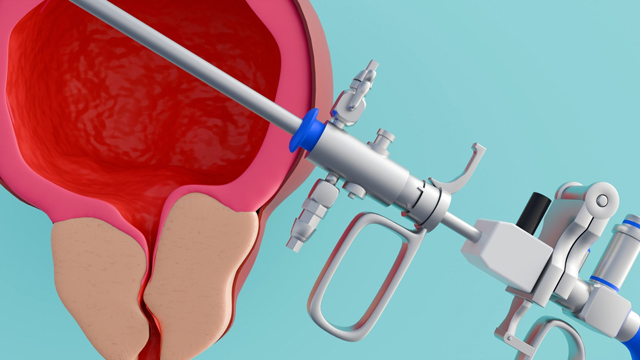
REZUM Water Vapor Therapy
REZUM Water Vapor Therapy is an FDA-cleared, minimally invasive procedure that delivers controlled water vapor directly into obstructive prostate tissue to relieve urinary symptoms caused by benign prostatic hyperplasia.
Learn More