Personalized Medical Care & Dedicated International Patient Concierge

Advanced Prostate Surgery
Curative Prostate Enucleation Surgery
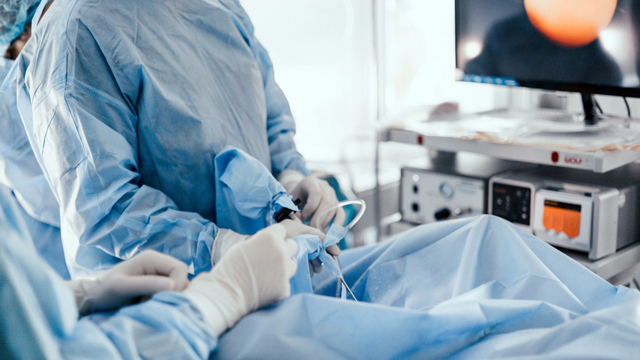
Curative prostate enucleation surgery is a transurethral procedure that removes the inner, obstructing portion of an enlarged prostate to relieve urinary blockage caused by BPH, without requiring an external incision.
Schedule a ConsultationCurative Prostate Enucleation Surgery
Medically reviewed by Donghyun Lee, MD, Board-Certified Urologist (Korea Ministry of Health and Welfare)
Curative prostate enucleation surgery is a minimally invasive procedure used to treat urinary symptoms caused by benign prostatic enlargement (BPH). During the procedure, the enlarged, obstructive prostate tissue is separated and removed through the urinary passage, which helps improve urine flow while preserving the outer prostate capsule. Patients often consider this option when bothersome urinary symptoms, poor urine flow, incomplete bladder emptying, or recurrent urinary problems do not improve sufficiently with medication, or when a larger amount of obstructive prostate tissue needs to be removed. It is generally considered for men whose urinary symptoms are significant, persistent despite medication, or associated with complications such as recurrent urinary retention.
What Is Curative Prostate Enucleation Surgery?
Curative prostate enucleation surgery is a transurethral procedure that removes the inner, obstructing portion of an enlarged prostate to relieve urinary blockage caused by BPH, without requiring an external incision. The approach is considered "curative" in the sense that it removes the obstructing adenoma tissue directly, rather than only reshaping or compressing it, and it can be considered when medication alone is no longer sufficient.
The enlarged obstructive tissue is separated (enucleated) from the surrounding prostate capsule using an endoscopic system passed through the urethra.
No external skin incision is required, since the entire procedure is performed through the natural urinary passage.
Typical procedures use a specialized endoscopic system together with a surgical energy or laser system, irrigation equipment, and tissue-removal instruments; the exact equipment used depends on the technique selected for each patient.
Removed tissue is typically sent for pathological examination when appropriate, which can help identify unexpected findings.
The procedure is generally performed under regional or general anesthesia, depending on the surgical method and the patient's medical condition, and a temporary urinary catheter is placed afterward while the urinary tract heals.
Who Performs Curative Prostate Enucleation Surgery at Straight Urology Clinic
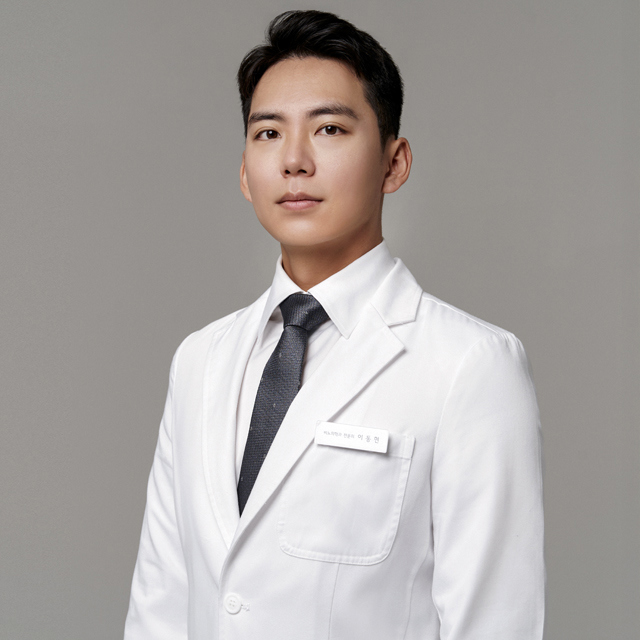
Dr. Donghyun Lee, MD
Board-certified Urologist
Curative prostate enucleation surgery at Straight Urology Clinic is performed by Donghyun Lee, MD, the clinic's Chief Director and a board-certified urologist certified by Korea's Ministry of Health and Welfare. Dr. Lee has performed more than 1,500 urological procedures and surgeries overall, including more than 800 prostate and bladder neck procedures. His training includes urology residency at Korea University Guro Hospital and service as Chief of the Department of Urology at the Armed Forces Capital Hospital, where he also collaborated clinically with the urology departments at Seoul National University Hospital and Seoul St. Mary's Hospital. Dr. Lee is a full member of the American Urological Association (AUA) and the European Association of Urology (EAU), and he presented at the 2018 EAU Annual Congress in Barcelona. His approach to prostate surgery emphasizes identifying the underlying cause of urinary symptoms and recommending only medically necessary treatment.
Who Is a Good Candidate for Curative Prostate Enucleation Surgery?
Adults with symptomatic benign prostatic enlargement who have significant urinary obstruction.
Men with persistent urinary symptoms despite an adequate trial of medication.
Patients with recurrent urinary retention or other BPH-related complications.
Men who are medically suitable for surgery and anesthesia after evaluation.
Patients whose urinary problems are confirmed to be caused by prostate enlargement rather than another underlying condition.
Patients with an untreated urinary infection, uncontrolled bleeding disorders, or other serious medical conditions that make anesthesia or surgery unsafe are generally not suitable candidates until these issues are addressed.
Individual suitability always requires a full urologic assessment, since candidacy depends on the diagnosis, prostate condition, urinary symptoms, and overall health of each patient. This assessment is completed before any surgical recommendation is made, so that only medically appropriate patients proceed to surgery.
What to Expect: Procedure, Recovery, and Results Timeline
Curative prostate enucleation surgery is one of several options available for treating an enlarged prostate. Alternative approaches can include lifestyle measures and medications such as alpha-blockers or 5-alpha-reductase inhibitors for appropriate patients. Procedural alternatives can include transurethral resection of the prostate (TURP), simple prostatectomy for selected very large prostates, and other minimally invasive BPH procedures. The most appropriate option depends on prostate size, anatomy, symptoms, complications, and each patient's own preferences, and this comparison is discussed personally during consultation. Understanding these alternatives in advance can help patients ask informed questions and set realistic expectations before deciding on surgery.
Before surgery, patients generally undergo a medical evaluation that includes a discussion of urinary symptoms and medical history, a physical examination, urine testing, and prostate assessment. Additional tests such as PSA, uroflowmetry, post-void residual urine measurement, and imaging may be used when appropriate. Any active urinary infection is identified and treated before surgery whenever possible. Patients are asked to provide a complete list of medications and medical history, particularly medications that affect bleeding, and they receive specific fasting and medication instructions before anesthesia.
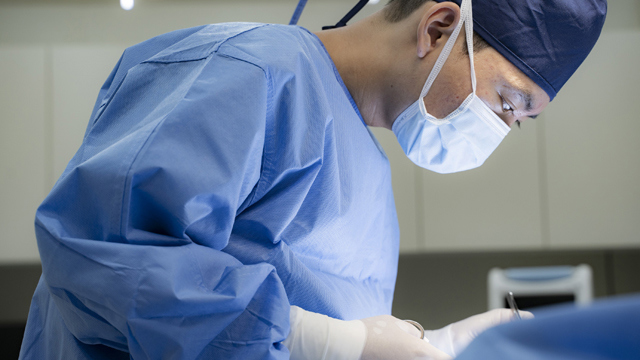
On the day of surgery, anesthesia is administered first, using a regional or general technique depending on the surgical method and the patient's condition. A surgical scope is then passed through the urethra, avoiding the need for any external incision. The surgeon identifies the enlarged, obstructive prostate tissue and carefully separates it from the surrounding prostate capsule. The separated tissue is then extracted from the bladder and sent for pathological examination when appropriate. A urinary catheter is placed temporarily at the end of the procedure to support healing of the urinary tract.
Recovery varies according to the surgical technique used and the patient's individual health. While the catheter remains in place, urinary symptoms can fluctuate, and mild irritation or urgency is common during this early period. Light daily activities are often resumed gradually, while strenuous activity and heavy lifting are generally avoided until the treating physician confirms it is safe. Pain and discomfort after surgery are managed with appropriate medications. International patients undergoing this procedure in Seoul often ask about safe timing for long-haul travel home, access to remote follow-up, and when they can resume work; the treating physician provides individualized guidance on each of these points based on the patient's recovery progress.
Urinary flow can begin to improve relatively soon after the obstruction is removed, although irritation-related symptoms such as urgency or burning may take longer to settle. Because the underlying obstructing tissue has been removed, the improvement in symptom relief can be long-lasting. That said, prostate tissue can gradually regrow over time, and urinary problems occasionally have other causes, so continued monitoring and follow-up remain part of long-term care.
Timepoint | What to Expect |
|---|---|
Before surgery | Symptom and medical history review, physical exam, urine testing, PSA, uroflowmetry, post-void residual measurement, imaging as needed |
Day of surgery | Anesthesia administered, transurethral scope passed, obstructive tissue enucleated and extracted, temporary catheter placed |
Early recovery | Catheter in place, urinary symptoms may fluctuate, light activity resumed gradually |
Following weeks | Urinary flow often improves progressively; irritation-related symptoms settle over time; strenuous activity resumes once cleared |
Longer term | Symptom relief can be long-lasting; continued monitoring supports management of any prostate tissue regrowth or unrelated urinary issues |
Possible risks and side effects of curative prostate enucleation surgery include temporary blood in the urine, urinary urgency or frequency, discomfort during urination, urinary infection, temporary difficulty controlling urine, urethral narrowing, bladder-neck problems, bleeding, and the possible need for additional treatment. Changes in ejaculation, particularly retrograde ejaculation, can also occur depending on the technique used. These risks and their likelihood vary between patients and should always be discussed individually with the treating physician before surgery, along with any questions about how they are typically managed if they occur.
Aftercare instructions typically include following the surgeon's guidance on catheter care, hydration, medications, and activity restrictions, along with attending scheduled follow-up visits. Patients are advised to seek medical attention promptly for heavy or persistent bleeding, inability to urinate, fever, severe pain, or other concerning symptoms. International patients who have returned home are encouraged to contact the clinic for guidance on any of these symptoms and to seek local medical care for urgent concerns.
Safety, Precision, and Clinic Standards
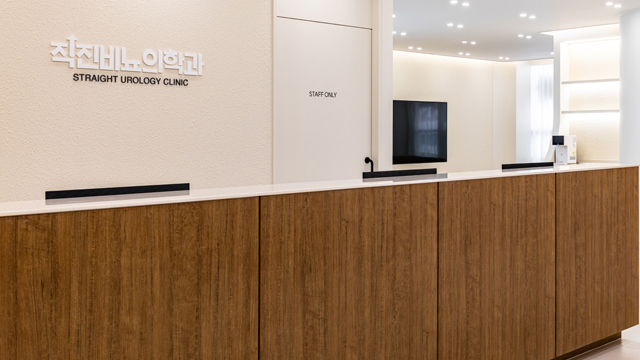
Straight Urology Clinic evaluates prostate size, urinary flow, bladder function, and residual urine before selecting a treatment approach for each patient. This diagnostic process typically includes PSA testing, urinalysis, prostate ultrasound, uroflowmetry, and post-void residual urine measurement. The clinic operates a one-stop, same-day diagnostic system, allowing consultation, testing, and diagnosis to be completed in an integrated evaluation process for many patients. The clinic states that its approach emphasizes accurate diagnosis and providing only necessary treatment, with individualized planning based on each patient's condition and ongoing management after treatment is completed. Dr. Lee's treatment philosophy centers on listening carefully to understand each patient's symptoms and history before recommending treatment, and on explaining every treatment option clearly. According to the American Urological Association's 2023 guideline on the surgical management of BPH, endoscopic enucleation techniques such as HoLEP are recognized as effective, size-independent options for men with moderate-to-severe lower urinary tract symptoms attributed to BPH (AUA Guideline, 2023). The European Association of Urology's guidelines on the management of non-neurogenic male lower urinary tract symptoms similarly classify enucleation as one of the recognized surgical approaches for benign prostatic obstruction, alongside resection, vaporisation, and other techniques (EAU Guidelines). Straight Urology Clinic's evaluation process, including uroflowmetry and post-void residual testing, aligns with the diagnostic evaluation steps described in these international guidelines. Peer-reviewed literature on holmium laser enucleation of the prostate has described it as a durable surgical option regardless of prostate size, with published follow-up data extending beyond ten years (Nair et al., PubMed). Anesthesia and pain-control measures are used throughout the procedure and recovery period to help keep discomfort manageable. Any urinary infection identified during pre-operative testing is addressed before surgery proceeds. Dr. Lee, as the sole treating surgeon, personally reviews each patient's diagnostic results before determining the surgical plan.
The Bottom Line
Curative prostate enucleation surgery removes the obstructive inner portion of an enlarged prostate through the urinary passage, without an external incision.
It is generally considered for men with significant urinary obstruction, persistent symptoms despite medication, or recurrent urinary retention, after a full urologic evaluation.
Recovery includes a temporary urinary catheter period, with urinary symptoms that can fluctuate before gradually improving over the following weeks.
Because the obstructing tissue is removed, symptom relief can be long-lasting, though continued monitoring is advised since prostate tissue can gradually regrow.
Individual candidacy, risks, and expected recovery should always be confirmed through a personal urologic evaluation with Dr. Lee at Straight Urology Clinic.
Frequently Asked Questions
Is prostate enucleation surgery painful? The procedure itself is performed with anesthesia, so significant pain during surgery is not expected. Temporary discomfort, urinary irritation, or burning can occur during the recovery period and are managed with appropriate medication throughout the healing process.
What anesthesia is used for this procedure? Enucleation surgery is generally performed under regional or general anesthesia, depending on the surgical method chosen and the patient's medical condition. This decision is made individually in discussion with the treating physician before the day of surgery.
How is prostate enucleation different from TURP or other BPH surgery options? Prostate enucleation and other surgical treatments for prostate obstruction, such as TURP, differ in surgical technique, indications, recovery patterns, and potential side effects. The most appropriate option depends on the patient's prostate size, anatomy, symptoms, and preferences, and is discussed individually during consultation, so that the recommended technique matches the patient's specific urologic findings.
How does Straight Urology Clinic reduce risk during this procedure? The clinic emphasizes accurate diagnosis and provides only medically necessary treatment. Care is individualized based on each patient's prostate condition, urinary function, and overall health, with continued management and scheduled follow-up provided after treatment.
What should I do to prepare before surgery? Preparation generally includes a medical evaluation, review of medications and medical history, relevant urine, blood, prostate, and urinary-function testing, and following specific instructions about food, fluids, and medications before anesthesia. Any urinary infection is identified and treated beforehand whenever possible.
What are the common side effects after prostate enucleation surgery? Possible temporary effects include urinary frequency, urgency, burning during urination, and blood in the urine. Individual experiences vary, and most irritative symptoms gradually improve as the urinary tract heals.
How many days should I stay in Korea, and when can I fly home? The required length of stay depends on the surgical approach, individual recovery, catheter management, and postoperative assessment, so international patients should allow enough time in Seoul for the treating physician to confirm medical clearance. Patients should generally travel only after recovery is confirmed to be stable and there are no significant postoperative concerns, with the exact timing individualized for each patient.
When are the final results from prostate enucleation surgery visible? Improvement in urinary flow can begin relatively soon after the obstruction is removed, while irritation-related symptoms may take longer to settle. The final functional outcome is typically assessed after sufficient postoperative recovery, and the exact timing varies from patient to patient.
Book a Consultation at Straight Urology Clinic
If you are experiencing bothersome urinary symptoms related to an enlarged prostate and would like to discuss whether curative prostate enucleation surgery is appropriate for your situation, you can arrange a consultation with Dr. Donghyun Lee, MD at Straight Urology Clinic in Seoul. The clinic is located a short distance from Ahyeon Station in Seodaemun-gu, Seoul, and offers a one-stop, same-day diagnostic system so many evaluation steps can be completed during a single visit. Language support is available for international patients, and an online consultation can be arranged before an in-person visit. A personal evaluation, including a review of your urinary symptoms and relevant testing, is the only way to confirm individual candidacy for this procedure. To learn more about the broader surgical approach to enlarged prostate treatment at the clinic, visit the Advanced Prostate Surgery specialty page, or book a consultation to begin the evaluation process.
Disclaimer
This content is provided for general informational purposes only and is not medical advice. Treatment eligibility is determined only after an individual consultation and clinical evaluation by a qualified physician at Straight Urology Clinic. Treatment outcomes vary between patients.
Sources & Further Reading
American Urological Association. "Management of Lower Urinary Tract Symptoms Attributed to Benign Prostatic Hyperplasia (BPH): AUA Guideline Amendment 2023" — https://www.auanet.org/documents/Guidelines/PDF/2023%20Guidelines/BPH%20Unabridged%2002-20-24%20Final.pdf
European Association of Urology. "EAU Guidelines on the Management of Non-neurogenic Male LUTS" — https://uroweb.org/guidelines/management-of-non-neurogenic-male-luts
Nair, S.M., et al. "Holmium laser enucleation of the prostate (HoLEP): a review and update," PubMed — https://pubmed.ncbi.nlm.nih.gov/31481144/
"Comparative efficacy and safety of holmium laser enucleation of the prostate (HoLEP) using Moses technology and standard HoLEP: A systematic review, meta-analysis, and meta-regression," PMC — https://www.ncbi.nlm.nih.gov/pmc/articles/PMC9486436/
Other Services
Explore additional treatments offered by our specialists.
UroLift Prostatic Lift
UroLift Prostatic Lift is an FDA-cleared, minimally invasive procedure that uses small implants to retract and hold enlarged prostate tissue away from the urethra, improving urinary flow without removing prostate tissue.
Learn More
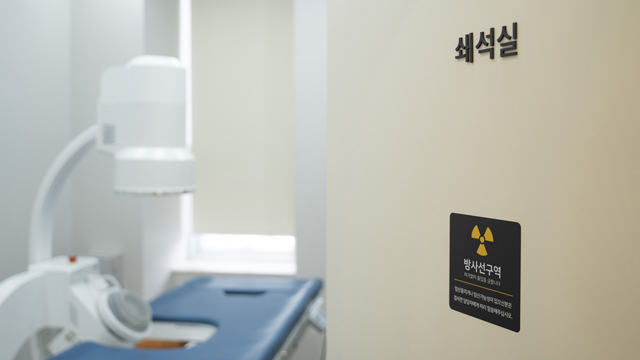
Shock Wave Lithotripsy (ESWL)
ESWL is a non-invasive treatment that uses focused shock waves delivered from outside the body to break a urinary stone into smaller fragments, allowing those fragments to pass through the urinary tract on their own.
Learn More
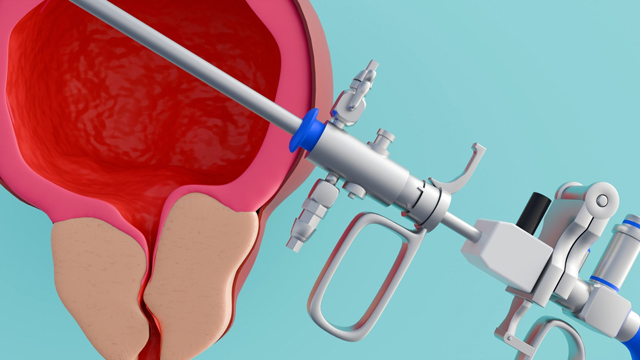
REZUM Water Vapor Therapy
REZUM Water Vapor Therapy is an FDA-cleared, minimally invasive procedure that delivers controlled water vapor directly into obstructive prostate tissue to relieve urinary symptoms caused by benign prostatic hyperplasia.
Learn More