Personalized Medical Care & Dedicated International Patient Concierge


Specialty Overview
Advanced Prostate Surgery
Straight Urology Clinic offers Advanced Prostate Surgery using HoLEP laser technology to remove obstructive prostate tissue and relieve urinary symptoms caused by an enlarged prostate (BPH).
Schedule a ConsultationAdvanced Prostate Surgery: HoLEP Laser Prostate Surgery for an Enlarged Prostate

Medically reviewed by Donghyun Lee, MD, Board-Certified Urologist (Korea Ministry of Health and Welfare) Straight Urology Clinic, Seoul, South Korea
Advanced Prostate Surgery, sometimes described using the term HoLEP (holmium laser enucleation of the prostate) or curative prostate enucleation surgery, is a minimally invasive procedure that removes the enlarged, obstructive inner tissue of the prostate through the urinary passage. It is used to treat urinary symptoms caused by benign prostatic hyperplasia (BPH) when the outer prostate capsule is preserved and no external incision is required. The goal is to relieve urinary blockage and restore a more normal urine flow for men whose symptoms have not responded adequately to medication.
What Is Advanced Prostate Surgery (HoLEP)?
Advanced Prostate Surgery is a curative enucleation procedure in which a urologist separates and removes the enlarged, obstructive portion of prostate tissue from within the prostate capsule, using an endoscope passed through the urethra so that no external incision is needed.
The procedure is performed entirely through the urinary passage, without cutting through the skin or abdomen.
A specialized endoscopic system, a surgical energy or laser source, and irrigation fluid are used to visualize and separate the obstructive tissue.
The removed prostate tissue is typically sent for pathological examination when appropriate.
A temporary urinary catheter is placed after surgery while the urinary tract heals.
Because the outer prostate capsule is preserved, the technique is generally categorized as an enucleation approach rather than a simple tissue-shaving resection.
Advanced Prostate Surgery is one of several treatment paths for BPH-related urinary obstruction offered at Straight Urology Clinic. Non-surgical alternatives can include lifestyle measures and medications such as alpha-blockers or 5-alpha-reductase inhibitors for appropriately selected patients. Less invasive procedural alternatives can include Rezum, UroLift, and iTIND, which the clinic also offers for suitable candidates. Curative prostate enucleation is generally considered when medication has not provided sufficient relief, when urinary problems recur, or when a larger amount of obstructive prostate tissue needs to be removed. The most appropriate option depends on prostate size, anatomy, urinary symptoms, and each patient's individual preferences, and is discussed during consultation rather than decided in advance.
Who Performs Advanced Prostate Surgery at Straight Urology Clinic

Dr. Donghyun Lee, MD
Board-certified Urologist
Advanced Prostate Surgery at Straight Urology Clinic is performed by Donghyun Lee, MD, the clinic's Chief Director and its sole board-certified urologist. Dr. Lee is certified by Korea's Ministry of Health and Welfare and holds full membership in both the American Urological Association (AUA) and the European Association of Urology (EAU). He completed his urology residency at Korea University Guro Hospital from 2018 to 2022 and later served as Chief of the Department of Urology at the Armed Forces Capital Hospital from 2022 to 2025, where he also collaborated clinically with the urology departments of Seoul National University Hospital and Seoul St. Mary's Hospital. Dr. Lee has performed more than 1,500 urological procedures and surgeries over his career, including more than 800 prostate and bladder neck procedures, and he holds membership in multiple Korean professional societies relevant to prostate care, including the Korean Urological Association and the Korean Prostate Association. He has also presented clinical work at the 2018 European Association of Urology (EAU) Annual Congress in Barcelona, Spain, reflecting ongoing engagement with the international urology community; his stated treatment philosophy is to listen carefully to each patient before recommending treatment and to provide only medically necessary surgery, which he applies directly when evaluating candidacy for prostate enucleation.
Who Is a Good Candidate for Advanced Prostate Surgery?
Adults with symptomatic benign prostatic enlargement who have significant urinary obstruction.
Men with persistent bothersome BPH symptoms despite an adequate trial of medication.
Patients experiencing recurrent urinary retention or other BPH-related complications.
Men who are medically suitable for anesthesia and surgery after evaluation.
Patients are generally not suitable candidates if they have an untreated urinary infection, an uncontrolled bleeding disorder, or another serious medical condition that makes anesthesia or surgery unsafe.
Patients whose urinary symptoms are caused by a condition other than prostate enlargement may need a different evaluation or treatment first.
Individual suitability for Advanced Prostate Surgery is determined only after a personal urologic assessment, not from symptoms alone.
What to Expect: Procedure, Recovery, and Results Timeline
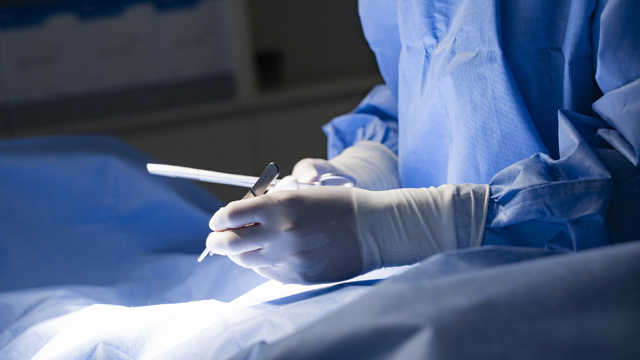
Evaluation before surgery generally includes a review of urinary symptoms and medical history. Physical examination and urine testing are part of the standard work-up. Additional assessment typically includes PSA testing, uroflowmetry, and measurement of post-void residual urine. Imaging of the prostate is added when appropriate for the individual case. Straight Urology Clinic organizes consultation and this diagnostic testing through a one-stop, same-day evaluation process, so that international patients can generally complete initial assessment without multiple separate visits spread across many days. Overall treatment time and the total number of visits required still vary by the surgical technique selected and by each patient's individual condition.
During the procedure, anesthesia is administered first, using a regional or general technique depending on the surgical method and the patient's medical condition. A surgical scope is then passed through the urethra, without any external incision. The surgeon identifies the enlarged, obstructive prostate tissue causing the blockage. That tissue is carefully separated from the surrounding prostate capsule. The separated tissue is then extracted and sent for pathological examination when appropriate. A urinary catheter is placed temporarily so the urinary tract can heal.
Recovery timing varies by surgical technique and by each patient's individual health. A temporary urinary catheter is typically required for a period after surgery. Urinary symptoms, including urgency or irritation, can fluctuate during the early healing period before settling. Light daily activities are usually resumed gradually, while strenuous activity and heavy lifting are generally avoided until the treating physician confirms it is safe. Post-void residual measurement, uroflowmetry, and PSA are among the assessments a treating urologist may use to track functional recovery.
Regarding results, urinary flow can begin to improve relatively soon after the obstruction is removed. Irritation-related symptoms, such as urgency or burning, often take longer to settle than flow itself. According to a ten-year follow-up study of holmium laser enucleation of the prostate (HoLEP) published in European Urology Focus, symptom relief was preserved in almost 75% of patients a full decade after surgery, with older age and incomplete post-operative continence recovery identified as the strongest predictors of symptom recurrence at long-term follow-up (Fallara et al., 2021). Because the obstructing tissue is physically removed rather than only reduced, the Foundation-approved clinical description notes that symptom relief from enucleation surgery can be long-lasting, although prostate tissue can gradually regrow over time and urinary symptoms can also arise from other causes later on.
Phase | What typically happens |
|---|---|
Before surgery | Symptom review, physical exam, urine testing, PSA, uroflowmetry, post-void residual measurement, imaging when appropriate |
Day of surgery | Anesthesia, endoscopic access through the urethra, enucleation of obstructive tissue, tissue extraction, temporary catheter placement |
Early recovery | Catheter in place; urinary irritation, urgency, or blood in the urine may fluctuate; light activity resumes gradually |
Weeks after surgery | Catheter removed per physician guidance; strenuous activity remains restricted until cleared; irritative symptoms gradually settle |
Longer-term follow-up | Urinary flow and symptom improvement assessed; continued monitoring for prostate and urinary health |
Possible risks and side effects of Advanced Prostate Surgery include temporary blood in the urine, urinary urgency or frequency, discomfort during urination, urinary infection, and temporary difficulty controlling urine. Urethral narrowing and bladder-neck problems are also recognized possible risks. Bleeding and the need for additional treatment are among the other risks discussed with patients before surgery. Changes in ejaculation, particularly retrograde ejaculation, can also occur depending on the surgical technique used.
Before surgery, patients generally complete a medical evaluation along with relevant blood, urine, prostate, and urinary-function testing. Any urinary infection identified during this process is treated before surgery is scheduled. Patients are asked to provide a complete list of medications and medical history, particularly medications that affect bleeding, and specific fasting and medication instructions are provided before anesthesia.
After surgery, patients are asked to follow the surgeon's instructions regarding catheter care, hydration, medications, and activity restrictions, and to attend scheduled follow-up visits. Patients should seek medical attention for heavy or persistent bleeding, inability to urinate, fever, or severe pain. International patients, including those traveling from the United States, are generally advised to allow additional recovery days in Seoul before a long-haul flight home, and travel should be timed only after the treating physician confirms that urination is stable and recovery is satisfactory.
Safety, Precision, and Clinic Standards

Straight Urology Clinic is a Registered Medical Institution for Attracting Foreign Patients, certified by Korea's Ministry of Health and Welfare under the Medical Overseas Expansion and Foreign Patients Attraction Act. Dr. Donghyun Lee, MD, the physician who performs Advanced Prostate Surgery at the clinic, is a board-certified urologist under the same Ministry of Health and Welfare framework. He is also a full member of the American Urological Association (AUA) and the European Association of Urology (EAU), the two professional bodies that publish the leading clinical practice guidelines referenced in this field. The AUA's current guideline on the surgical management of lower urinary tract symptoms attributed to BPH lists enucleation techniques such as HoLEP among the recognized surgical options for appropriately selected patients, alongside other established approaches such as TURP and simple prostatectomy. The AUA guideline also notes that enucleation techniques are commonly considered for patients at higher bleeding risk, such as those taking anticoagulant medication, because these techniques allow careful tissue separation under direct visualization. The EAU's guideline on the management of non-neurogenic male lower urinary tract symptoms similarly includes enucleation among the evidence-based surgical treatment options for benign prostatic obstruction, with a specific chapter section addressing enucleation techniques directly. Peer-reviewed, ten-year follow-up data published in European Urology Focus found that HoLEP maintained durable symptom relief in the large majority of treated patients, supporting enucleation as a technique with long-term outcomes data behind it (Fallara et al., 2021). The EAU guideline also distinguishes between benign prostatic hyperplasia (BPH), a histological diagnosis, and benign prostatic obstruction (BPO), a urodynamic diagnosis describing an actual blockage to urine flow, and notes that treatment decisions should generally be guided by the presence of obstruction rather than prostate size alone. This distinction is reflected in Straight Urology Clinic's evaluation approach, which assesses urinary flow and bladder function alongside prostate size rather than relying on gland size in isolation. The U.S. National Institute of Diabetes and Digestive and Kidney Diseases (NIDDK) notes that surgery to remove or reduce obstructive prostate tissue can offer long-term relief from BPH-related urinary problems for many men, a rationale consistent with enucleation-based approaches such as HoLEP. Before surgery, Straight Urology Clinic's evaluation protocol includes PSA testing, urinalysis, prostate ultrasound, uroflowmetry, and post-void residual measurement to characterize each patient's urinary obstruction before recommending a treatment approach. The clinic states that only medically necessary treatment is provided, consistent with an individualized approach based on each patient's prostate condition and urinary function rather than a single standardized protocol for every patient.
The Bottom Line
Advanced Prostate Surgery (HoLEP-type curative prostate enucleation) removes obstructive BPH tissue through the urinary passage, without an external incision.
It is generally considered for men with significant urinary obstruction or bothersome symptoms that have not responded adequately to medication.
Recovery and results develop over a period of days to several weeks, with urinary flow often improving before irritative symptoms fully settle.
Long-term, peer-reviewed follow-up data support durable symptom relief for many patients years after enucleation surgery.
At Straight Urology Clinic, the procedure is performed by Donghyun Lee, MD, a Ministry of Health and Welfare board-certified urologist and full member of the AUA and EAU.
Individual candidacy, risks, and expected recovery should always be confirmed through a personal consultation rather than general information alone.
Frequently Asked Questions
Is Advanced Prostate Surgery the same as HoLEP? HoLEP (holmium laser enucleation of the prostate) is one recognized technique within the broader category of curative prostate enucleation surgery for BPH. The core surgical goal in each case is the same: separating and removing obstructive prostate tissue through the urethra while preserving the outer prostate capsule.
How is enucleation different from a simple tissue-shaving procedure like TURP? Enucleation techniques separate and remove a larger, more complete piece of obstructive prostate tissue from within the capsule, whereas some other endoscopic techniques shave tissue away in smaller pieces. The most suitable option for an individual patient depends on prostate size, anatomy, and overall urinary symptoms.
Will I need a catheter after surgery? Yes, a urinary catheter is placed temporarily after the procedure so the urinary tract can heal. The exact duration depends on the surgical technique used and each patient's individual recovery.
Does the procedure affect sexual function? Changes in ejaculation, particularly retrograde ejaculation, are a recognized possible effect of prostate enucleation surgery, and the likelihood can depend on the specific technique used. These possible changes should be discussed individually with the treating urologist before surgery.
How soon will I notice improvement in my urinary symptoms? Urinary flow can begin improving relatively soon after the obstructive tissue is removed, while irritative symptoms such as urgency or burning typically take longer to settle. Full functional improvement can continue over several weeks.
Are the results of prostate enucleation surgery long-lasting? Because the obstructing tissue is physically removed, symptom relief can be long-lasting for many patients. However, prostate tissue can gradually regrow over time, and urinary symptoms can also arise later from other causes, so continued monitoring is still appropriate.
What tests are done before deciding on surgery? Evaluation generally includes a review of urinary symptoms and medical history, a physical examination, urine testing, PSA testing, uroflowmetry, and measurement of post-void residual urine, with imaging added when appropriate. This information helps determine whether enucleation surgery is an appropriate option compared with medication or other minimally invasive treatments.
How does prostate enucleation compare with Rezum, UroLift, or iTIND? Rezum, UroLift, and iTIND are less invasive, tissue-preserving procedures that Straight Urology Clinic also offers for appropriately selected patients. Curative prostate enucleation removes a larger volume of obstructive tissue and is generally considered when medication or these less invasive options have not provided sufficient relief, or when a greater amount of obstructive tissue needs to be removed. The most suitable option depends on individual prostate anatomy, symptoms, and overall health, and should be discussed directly with a urologist.
Book a Consultation at Straight Urology Clinic
If bothersome BPH symptoms or urinary obstruction have not improved sufficiently with medication, a consultation with Donghyun Lee, MD, at Straight Urology Clinic in Seoul can help determine whether Advanced Prostate Surgery (curative prostate enucleation) is an appropriate option for your individual condition. To arrange an evaluation or ask questions about candidacy, testing, or recovery, contact Straight Urology Clinic directly. You can also learn more about Dr. Donghyun Lee, MD or read more about the enucleation procedure itself.
Disclaimer
This content is provided for general informational purposes only and is not medical advice. Treatment eligibility is determined only after an individual consultation and clinical evaluation by a qualified physician at Straight Urology Clinic. Treatment outcomes vary between patients.
Sources & Further Reading
American Urological Association. "Management of Lower Urinary Tract Symptoms Attributed to Benign Prostatic Hyperplasia (BPH): AUA Guideline." https://www.auanet.org/guidelines-and-quality/guidelines/bph-guideline
European Association of Urology. "EAU Guidelines on the Management of Non-neurogenic Male LUTS." https://uroweb.org/guidelines/management-of-non-neurogenic-male-luts
Fallara G, Capogrosso P, Schifano N, et al. "Ten-year Follow-up Results After Holmium Laser Enucleation of the Prostate." European Urology Focus, 2021. https://pubmed.ncbi.nlm.nih.gov/32576532/
National Institute of Diabetes and Digestive and Kidney Diseases (NIDDK). "Enlarged Prostate (Benign Prostatic Hyperplasia)." https://www.niddk.nih.gov/health-information/urologic-diseases/prostate-problems/enlarged-prostate-benign-prostatic-hyperplasia
Related Services
Procedures available within our clinical departments.
UroLift Prostatic Lift
UroLift Prostatic Lift is an FDA-cleared, minimally invasive procedure that uses small implants to retract and hold enlarged prostate tissue away from the urethra, improving urinary flow without removing prostate tissue.
Learn More
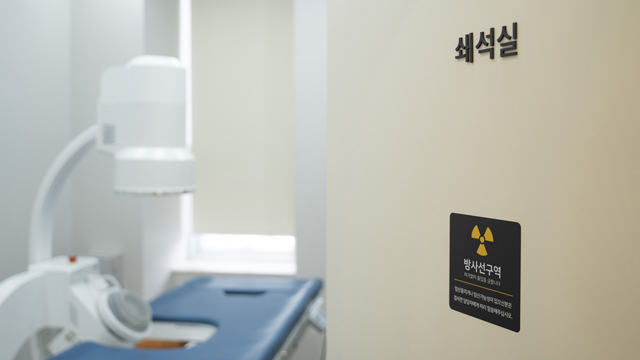
Shock Wave Lithotripsy (ESWL)
ESWL is a non-invasive treatment that uses focused shock waves delivered from outside the body to break a urinary stone into smaller fragments, allowing those fragments to pass through the urinary tract on their own.
Learn More
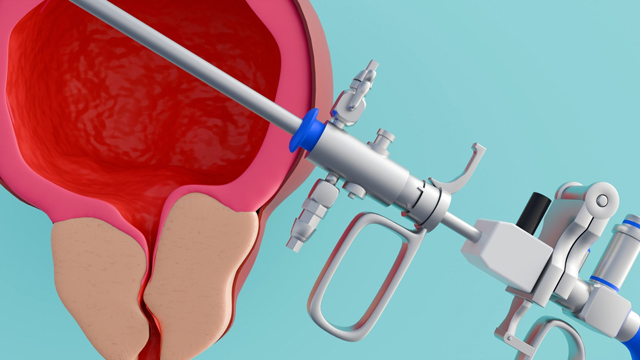
REZUM Water Vapor Therapy
REZUM Water Vapor Therapy is an FDA-cleared, minimally invasive procedure that delivers controlled water vapor directly into obstructive prostate tissue to relieve urinary symptoms caused by benign prostatic hyperplasia.
Learn More