Expert Urological Care & Minimally Invasive MIST Center in Seoul

Urinary Stone Treatment
Endoscopic (Surgical) Stone Removal
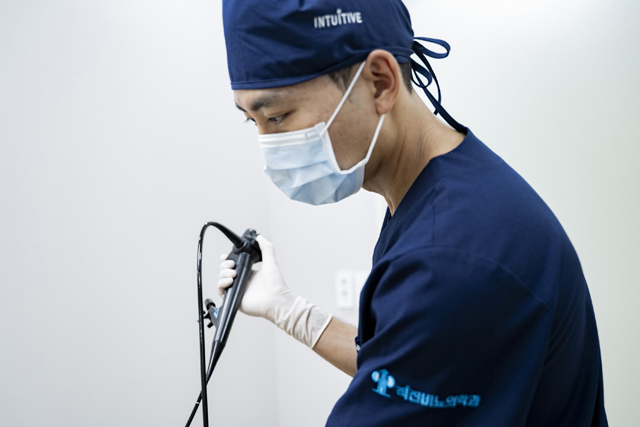
Endoscopic stone removal is a minimally invasive surgical technique in which a urologist passes a thin scope through the urethra and bladder, and in some cases up into the ureter or kidney.
Schedule a ConsultationEndoscopic (Surgical) Stone Removal
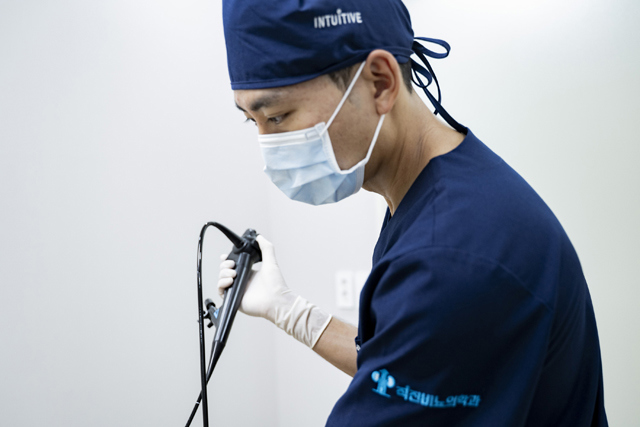
Medically reviewed by Donghyun Lee, MD, Board-Certified Urologist (Korea Ministry of Health and Welfare)
Endoscopic surgical stone removal, commonly performed as ureteroscopy or flexible renal endoscopy (RIRS), uses a thin scope passed through the natural urinary tract to locate, break, and/or remove a urinary stone without any external incision. It is generally considered when a stone is unlikely to pass naturally, is causing persistent pain or obstruction, or has not responded to a less invasive treatment such as shock wave lithotripsy. At Straight Urology Clinic in Seoul, endoscopic stone removal is planned individually based on the stone's size, location, and the patient's overall clinical picture.
Patients often reach out about endoscopic stone removal when a stone has proven difficult to manage with observation or shock-wave treatment, or when a stone is affecting kidney function and needs a more active approach. Because this is a surgical procedure, international patients understandably want to know exactly how it works, what anesthesia is used, what recovery looks like, and how experienced the surgeon is with this specific technique. Patients traveling from the United States in particular often want reassurance about the surgeon's training, the number of similar procedures performed, and whether English-language communication is available for consultation, consent, and follow-up. This page explains what endoscopic stone removal involves at Straight Urology Clinic, who tends to be a good candidate, and what recovery generally looks like. If your stone has not yet been evaluated, the broader Kidney Stone & Urinary Stone Treatment overview page compares this approach with shock wave lithotripsy.
What Is Endoscopic (Surgical) Stone Removal?
Endoscopic stone removal is a minimally invasive surgical technique in which a urologist passes a thin scope through the urethra and bladder, and in some cases up into the ureter or kidney, to directly locate and treat a urinary stone without cutting through the skin.
A small ureteroscope, rigid or flexible, is passed through the urethra and bladder to reach the stone.
The stone can be removed with a small basket or broken into smaller pieces, commonly using a laser.
Flexible renal endoscopy (RIRS) uses a flexible endoscope to reach kidney stones through the urinary tract without a skin incision.
Current European Association of Urology guidance recommends Ho:YAG or thulium-fiber laser lithotripsy for flexible ureteroscopy procedures.
This is an established minimally invasive treatment, with the specific endoscopic technique selected according to the stone's size, location, and the patient's clinical condition.
Who Performs Endoscopic (Surgical) Stone Removal at Straight Urology Clinic

Dr. Donghyun Lee, MD
Board-certified Urologist
Endoscopic stone removal at Straight Urology Clinic is performed by Dr. Donghyun Lee, MD, the clinic's Chief Director and sole treating urologist. Dr. Lee is a board-certified urologist certified by Korea's Ministry of Health and Welfare, and he is a full member of both the American Urological Association (AUA) and the European Association of Urology (EAU). His procedure volume includes more than 500 urinary stone surgeries within an overall total exceeding 1,500 urological procedures and surgeries. Dr. Lee completed his residency in urology at Korea University Guro Hospital, later served as Chief of the Department of Urology at the Armed Forces Capital Hospital, and collaborated clinically with the urology departments of Seoul National University Hospital and Seoul St. Mary's Hospital. He graduated from Vanderbilt University before completing his medical degree and doctoral coursework in urology at Korea University College of Medicine, and he presented at the 2018 European Association of Urology Annual Congress in Barcelona. Because Dr. Lee treats every urinary stone case personally, the surgeon who evaluates your imaging and discusses your treatment options is the same surgeon who would perform your procedure, rather than a different provider at each stage. Dr. Lee describes his approach directly: "I believe the first step in care is listening. I take time to understand each patient before recommending treatment, and I explain every option clearly." That approach applies to surgical decisions as much as to non-surgical ones, since the clinic states that treatment decisions are based on a detailed, individualized assessment of stone location, size, structure, and symptoms rather than a routine default to surgery.
Who Is a Good Candidate

Patients with urinary stones that are difficult to treat with ESWL or conventional ureteroscopy, including hard-to-reach upper ureter or kidney stones.
Patients whose stone is unlikely to pass naturally and requires active removal.
Patients experiencing persistent pain, urinary obstruction, or effects on kidney function related to the stone.
Patients requiring active stone treatment where a less invasive approach has not been sufficient.
Patients whose suitability depends on stone size, location, anatomy, infection status, and overall health, as determined by individual evaluation.
Patients with an active infection or another medical issue that should be addressed first, before endoscopic surgery is scheduled.
What to Expect: Procedure, Recovery, Results Timeline
Diagnosis before endoscopic stone removal generally includes symptom assessment together with imaging, such as IVP or KUB, to determine the stone's location and size and confirm that surgery is the appropriate approach. Treatment planning is also based on the patient's anatomy and overall health. During the procedure, a small ureteroscope is passed through the urethra and bladder to the stone, which is then removed with a basket or broken into smaller pieces, commonly using a laser. Ureteroscopy is generally performed under general or spinal anesthesia, so the patient does not feel the procedure itself, and pain medication may be provided afterward. A temporary ureteral stent may sometimes be placed at the end of the procedure when clinically indicated, to help urine and any remaining fragments pass while the ureter heals. Recovery is generally relatively quick, although temporary urinary discomfort or blood in the urine may occur, particularly if a stent has been placed. Stone removal itself is immediate during the procedure, though small fragments may still require some time to pass afterward. Aftercare involves following the urologist's instructions regarding medication, hydration, activity level, and any ureteral stent care or removal. Long-term prevention of future stones requires evaluating the underlying cause of stone formation together with the treating doctor once the current stone has been managed. Follow-up visits after surgery are used to confirm healing, review any stent removal, and check whether any residual fragments remain in the urinary tract.
Stage | What generally happens |
|---|---|
Diagnosis & planning | Symptom assessment, imaging (such as IVP or KUB), and evaluation of anatomy and health before confirming surgery |
Procedure | Ureteroscope passed to the stone; stone removed with a basket or fragmented with a laser under general or spinal anesthesia |
Stent (if placed) | A temporary ureteral stent may be used to support healing and fragment passage |
Early recovery | Generally quick; temporary discomfort or blood in urine possible, especially with a stent |
Results & follow-up | Stone removal is immediate during the procedure; fragment passage and stent removal are monitored afterward |
For international patients, fitness to fly should be confirmed with the treating doctor after a postoperative assessment, since this depends on recovery, symptoms, and whether any complications have occurred. Patients should also plan for the possibility that a placed stent will need to be removed during a follow-up visit, which can affect how the overall stay in Seoul is scheduled. If concerning symptoms such as fever, severe pain, heavy bleeding, or difficulty urinating occur after returning home, patients should contact the clinic or seek urgent local medical care promptly. Sharing operative notes with a home-country urologist can also help support any remote follow-up that may be needed after leaving Korea.
Combining with Other Treatments
Ureteroscopy may include both laser lithotripsy and basket extraction within the same procedure, and a temporary ureteral stent may also be placed when clinically indicated. Whether a specific combination of these techniques applies to an individual case depends on the stone's size, structure, and location, and is determined by Dr. Lee during and after diagnostic evaluation. If residual fragments remain after an initial attempt, an additional procedure may occasionally be required, and this possibility is discussed with patients before surgery so expectations remain realistic.
Safety, Precision, Clinic Standards
Treatment decisions for endoscopic stone removal are based on a detailed assessment of stone location, size, structure, symptoms, and how the patient has responded to any previous treatment. This is intended to confirm that surgery is genuinely necessary before it is recommended. Straight Urology Clinic is a registered medical institution for attracting foreign patients, certified by Korea's Ministry of Health and Welfare in compliance with the Medical Overseas Expansion and Foreign Patients Attraction Act. Dr. Lee's board certification is issued by the same Ministry, and he is a full member of both the AUA and the EAU. Possible risks of endoscopic stone removal include bleeding, infection, ureteral injury, residual stones, and temporary urinary symptoms, and the possibility of additional treatment should be discussed in advance. The American Urological Association's Surgical Management of Kidney and Ureteral Stones guideline addresses ureteroscopy as an established surgical option selected according to stone and patient factors (American Urological Association, 2025/2026). The European Association of Urology's Urolithiasis guideline recommends Ho:YAG or thulium-fiber laser lithotripsy specifically for flexible ureteroscopy procedures, reflecting current evidence-based technique selection (European Association of Urology, 2024/2025). A published systematic review comparing ureteroscopic lithotripsy with shock wave lithotripsy has reported higher stone-free rates with ureteroscopy in randomized studies, which is part of why endoscopic removal is often considered for stones that have not cleared with less invasive treatment (systematic review, PubMed). Individual risks and realistic outcomes should always be reviewed directly with the treating doctor before surgery is scheduled, and patients are encouraged to ask specifically how their own stone compares with the criteria described in these guidelines. The National Institute of Diabetes and Digestive and Kidney Diseases also describes ureteroscopy as a standard approach that allows a doctor to see detailed images of the ureters and kidneys while locating and treating a stone (NIDDK).
The Bottom Line
Endoscopic stone removal uses a thin scope passed through the urinary tract to treat a stone without any external incision.
It is generally considered for stones unlikely to pass naturally or that have not responded to less invasive treatment.
The procedure is performed under general or spinal anesthesia, and a temporary stent may sometimes be needed.
Dr. Donghyun Lee, MD personally performs this procedure, drawing on more than 500 urinary stone surgeries.
Recovery is generally relatively quick, though individual experience varies by case.
Frequently Asked Questions
Am I a good candidate for endoscopic stone removal? Good candidates generally include patients whose stones are unlikely to pass naturally, are difficult to treat with ESWL, or are causing persistent pain, obstruction, or effects on kidney function. Final suitability depends on stone size, location, anatomy, infection status, and overall health, confirmed through individual evaluation rather than assumed from symptoms alone.
Is endoscopic stone removal painful? The procedure itself is performed under general or spinal anesthesia, so discomfort during surgery is generally controlled. Some temporary urinary discomfort or blood in the urine can occur afterward, particularly if a stent is placed, and this typically resolves as recovery progresses.
What anesthesia is used for endoscopic stone removal? Ureteroscopy is generally performed under general or spinal anesthesia. General anesthesia may specifically be required for flexible renal endoscopy (RIRS), and the exact approach is confirmed individually with the treating doctor based on the planned procedure.
Will I need a stent after the procedure? A ureteral stent may sometimes be placed at the end of the procedure to support healing and help fragments pass, depending on the individual case. If a stent is placed, its removal is planned as part of follow-up care, and this can affect the overall length of your treatment timeline.
How is endoscopic stone removal different from ESWL? Endoscopic removal uses a scope passed through the urinary tract to directly view, break up, or remove the stone, while ESWL uses shock waves from outside the body without any scope entering the urinary tract. Endoscopic removal is often considered when a stone is unlikely to respond well to ESWL alone, such as certain upper ureter or kidney stones, or when ESWL has already been tried without full clearance.
What are the risks of endoscopic stone removal? Possible risks include bleeding, infection, ureteral injury, discomfort, temporary urinary symptoms, and residual stones that may require additional treatment. These risks vary by individual case and should be discussed with the treating doctor before surgery, along with how the clinic works to reduce them through careful case selection.
When can I fly home after endoscopic stone removal? This is decided after a postoperative assessment and depends on your recovery, symptoms, and whether any complications have occurred. The treating doctor confirms fitness to fly on an individual basis rather than a fixed number of days, and any placed stent may also affect this timing.
Is online consultation available before deciding on surgery? Yes, online consultation is available, which allows patients to discuss their symptoms and prior treatment history before deciding whether to travel to Seoul for endoscopic stone removal. This can help clarify whether surgery is likely to be relevant to your specific case before you commit to travel.
Book a Consultation at Straight Urology Clinic
If a urinary stone has not responded to less invasive treatment, or your stone is unlikely to pass on its own, Dr. Donghyun Lee, MD at Straight Urology Clinic in Seoul can evaluate whether endoscopic stone removal is an appropriate next step for your case. Learn more about Dr. Lee's background and experience or contact the clinic to arrange a consultation about endoscopic stone removal surgery in Seoul.
Disclaimer
This content is provided for general informational purposes only and is not medical advice. Treatment eligibility is determined only after an individual consultation and clinical evaluation by a qualified physician at Straight Urology Clinic. Treatment outcomes vary between patients.
Sources & Further Reading
American Urological Association. "Surgical Management of Kidney and Ureteral Stones" Guideline. https://www.auanet.org/guidelines-and-quality/guidelines/surgical-management-of-kidney-and-ureteral-stones
European Association of Urology. "EAU Guidelines on Urolithiasis." Uroweb. https://uroweb.org/guidelines/urolithiasis
National Institute of Diabetes and Digestive and Kidney Diseases (NIDDK). "Treatment for Kidney Stones." https://www.niddk.nih.gov/health-information/urologic-diseases/kidney-stones/treatment
"A Systematic Review on Comparative Analyses between Ureteroscopic Lithotripsy and Shock-Wave Lithotripsy for Ureter Stone According to Stone Size." MDPI (Medicina). https://www.mdpi.com/1648-9144/57/12/1369
Other Services
Explore additional urological treatments offered by our specialists.
UroLift Prostatic Lift
UroLift Prostatic Lift is an FDA-cleared, minimally invasive procedure that uses small implants to retract and hold enlarged prostate tissue away from the urethra, improving urinary flow without removing prostate tissue.
Learn More
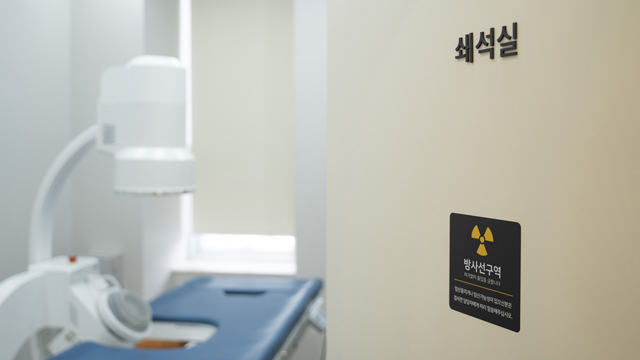
Shock Wave Lithotripsy (ESWL)
ESWL is a non-invasive treatment that uses focused shock waves delivered from outside the body to break a urinary stone into smaller fragments, allowing those fragments to pass through the urinary tract on their own.
Learn More
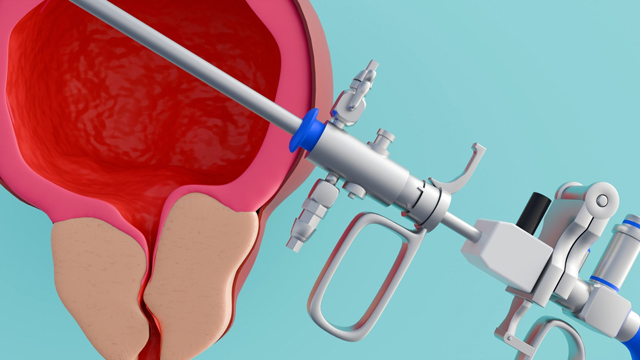
REZUM Water Vapor Therapy
REZUM Water Vapor Therapy is an FDA-cleared, minimally invasive procedure that delivers controlled water vapor directly into obstructive prostate tissue to relieve urinary symptoms caused by benign prostatic hyperplasia.
Learn More